
Exploring L Rhamnosus Supplements and Their Benefits
Intro
As interest in gut health gains momentum in health circles, the conversation around probiotics often leads to one remarkable strain: Lactobacillus rhamnosus. While it might sound like a mouthful, its significance in the realm of dietary supplements can’t be overstated. The demand for L Rhamnosus supplements has surged, prompting researchers, educators, and health aficionados alike to dive deeper into understanding what lies beneath the surface of these tiny microorganisms.
More than just a passing trend, this strain is associated with numerous health benefits ranging from improved digestion to potential mental health enhancements. The ability of L Rhamnosus to thrive in the harsh environment of the gastrointestinal tract is a testament to nature’s ingenuity, making it a staple in the supplement aisles. However, a nuanced exploration is essential to appreciate the complete picture—from its clinical applications to sourcing quality products—so that consumers can make informed choices.
In this discussion, we will unpack the various aspects surrounding L Rhamnosus supplements. This includes not only a review of the scientific evidence and critical mechanisms at play but also practical considerations like optimal dosages and product quality. Whether you're a student stepping into the world of microbiome research, a seasoned researcher, or someone simply looking to enhance their well-being, this guide will aim to arm you with the knowledge needed to navigate this fascinating topic.
Stay tuned as we delve into the intricate web of benefits and considerations associated with this probiotic powerhouse.
Intro to Rhamnosus
In the ever-evolving landscape of gut health, L Rhamnosus has carved out a niche as a particularly interesting probiotic strain. Its relevance extends beyond the borders of simply being another name in the probiotics game; it stands as a beacon for those seeking ways to improve their digestive health and overall wellness.
Defining Probiotics
When people hear the term "probiotics," it’s often met with a mix of intrigue and confusion. At their core, probiotics are live microorganisms that confer health benefits when consumed in adequate amounts. Most folks might associate the word with yogurt or supplements, but the term encompasses a wide array of bacteria and yeasts, the majority of which reside within our intestines.
Each strain offers its own laundry list of benefits, from enhancing gut microbiota to bolstering the immune system. Probiotics essentially act as allies in our health journey, maintaining a balanced gut flora vital for our well-being. Think of them as the good guys in the gut, helping to combat the bad guys that can disrupt our digestive harmony.
Rhamnosus: A Probiotic of Interest
L Rhamnosus is one of those distinctive strains, piquing the curiosity of researchers and health enthusiasts alike. Known for its resilience, it can withstand the rigors of the gastrointestinal tract, making it an ideal candidate for supplementation. This strain is not just a one-trick pony; it boasts a plethora of health benefits ranging from improved digestion to potential anxiety reduction.
One intriguing aspect of L Rhamnosus is its ability to thrive in various environments. Unlike some probiotics that need extremely controlled conditions, L Rhamnosus can hold its own even when facing the acidic environment of the stomach. This resilience contributes significantly to its efficacy as a supplement.
In clinical settings, L Rhamnosus has shown promise in managing conditions such as diarrhea, irritable bowel syndrome, and even food allergies. Its role in modulating the immune system is drawing increasing attention as researchers delve into its potential therapeutic applications.
Despite its benefits, it’s essential to remember that not all probiotic strains are created equal. The source, strain specificity, and quality of the product can vary greatly, affecting their effectiveness. Therefore, understanding what separates L Rhamnosus from the rest of the pack is crucial for consumers looking to enhance their gut health.
A well-regarded choice for those interested in improving gut health, L Rhamnosus serves as a powerful example of how probiotics can play a vital role in our wellness routine.
In summary, diving into the world of L Rhamnosus not only opens doors to potential health benefits but also emphasizes the importance of probiotics as a critical component of dietary choices.
Origin and Discovery
When diving into the subject of L Rhamnosus, understanding its origin and discovery is not just a historical footnote; it's fundamental. Grasping where this probiotic began gives crucial context to its development, applications, and benefits we can tap into today. Knowing the roots of L Rhamnosus can shed light on how it interacts with human health and why it has gained traction in the world of dietary supplements.
Historical Context
Probiotics have been part of human history long before they got their name. Early fermentations of milk and vegetables trace back thousands of years, but the recognition of specific strains didn't come until the 20th century. L Rhamnosus itself was first isolated in the 1980s, which marked a turning point in the scientific community’s understanding of gut flora and its critical role in health. Researchers like M. C. D. De Vos and others initiated this work, isolating strains from various sources, especially from human intestines, which revealed that certain bacteria could provide significant health benefits.
What is striking about L Rhamnosus is its resilience. This probiotic can withstand harsh digestive conditions, which many others cannot. It was discovered primarily from fermented products, particularly yogurt, emphasizing a human-centric natural use of beneficial bacteria. The importance of this strain, as it evolved through discoveries, displays its potential to fight off infections and enhance intestinal health, which encouraged more research into its mechanisms and effects.
"The history of probiotics is like a breadcrumb trail leading us to modern science, where discovery meets application."
Isolation and Characterization
Isolating and characterizing L Rhamnosus required meticulous processes and innovative methodologies over the years. Scientists used techniques like selective media culture methods to ensure that they were isolating this specific strain rather than any other similar-looking bacteria. Once isolated, characterization involved examining different aspects like its morphology, biochemical properties, and genetic makeup.
Key Features of L Rhamnosus:
- Shape: Rod-shaped bacteria, also known as bacilli.
- Oxygen Requirement: Anaerobic, can survive in low-oxygen environments.
- Fermentation Capabilities: Known for fermenting lactose, leading to the production of lactic acid, crucial for gut health.
Further, advanced genetic characterization helped researchers identify L Rhamnosus at a molecular level. They utilized techniques such as 16S rRNA gene sequencing to ascertain its genetic distinctions from other related bacteria. This work laid the foundation for understanding its functional abilities in the gut, such as antimicrobial properties and the enhancement of gut barrier integrity.
Overall, the origin and discovery of L Rhamnosus are not just historical records; they represent the foundation of what we know about this potent probiotic today and the myriad health benefits it holds. Gathering this background knowledge equips us with insights necessary for appreciating its role in modern health dialogues.
Health Benefits of Rhamnosus
Probiotics play a pivotal role in our overall health, acting as tiny powerhouses in our gut. In the realm of probiotics, L Rhamnosus stands out due to its robust health benefits, which can enhance various aspects of well-being. This section delves into the health advantages offered by L Rhamnosus, focusing on its impacts on gut health, immune modulation, and even its potential implications for mental health. Understanding these benefits is crucial for anyone looking into incorporating this specific probiotic into their health regimen.
Gut Health and Dysbiosis
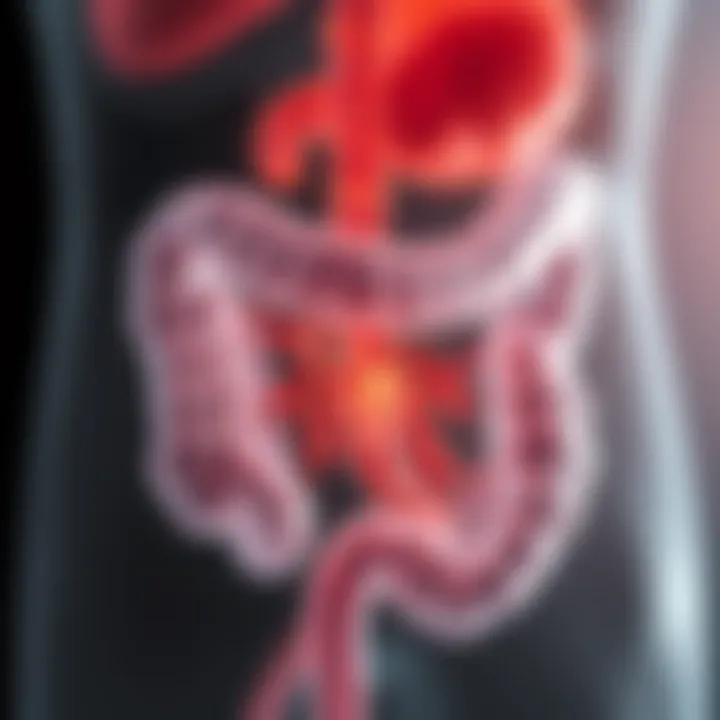
Gut health is often the fulcrum upon which overall health balances. Dysbiosis, a state where there’s an imbalance in the gut microbiota, can lead to a plethora of digestive issues. L Rhamnosus is known for its ability to restore this balance, acting robustly against pathogens that can disrupt microbial harmony.
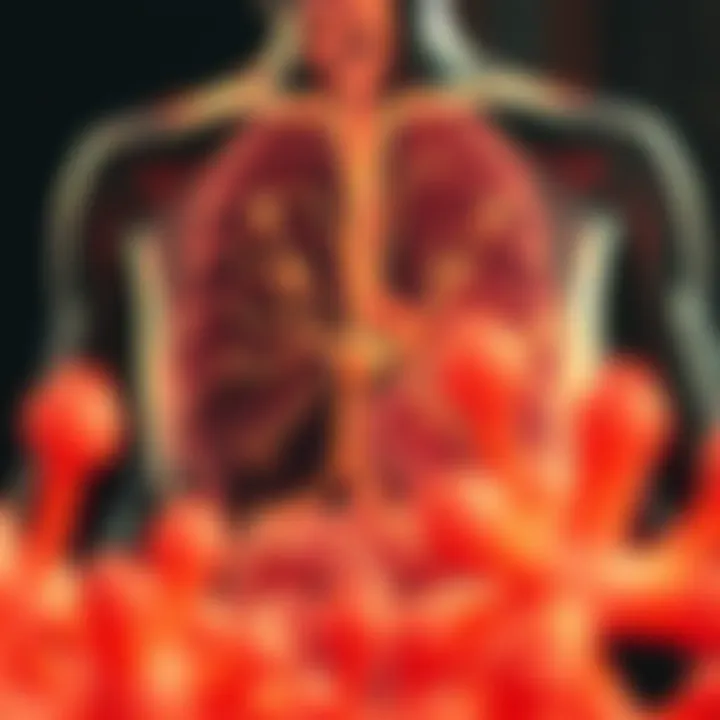
Research has demonstrated that L Rhamnosus can enhance the intestinal barrier function, mitigating permeability issues often associated with conditions like leaky gut syndrome. Regular supplementation aids in the colonization of beneficial bacteria, effectively outcompeting harmful microbes. This strain's adaptability allows it to thrive in various gut environments, making it a versatile ally in gut health.
Listed below are some specific benefits of L Rhamnosus in gut health:
- Reduces bloating and gas: Users report significant decreases in discomfort and digestive disturbances.
- Supports digestion of lactose: This makes it especially valuable for those with lactose intolerance.
- Decreases the risk of gastrointestinal infections: By crowding out harmful microbes, it provides a protective effect against common infections.
"Maintaining a balanced gut microbiome is fundamental for optimal health; L Rhamnosus emerges as a key player in achieving that goal."
Immune System Modulation
The immune system does a continuous dance between vigilance and tolerance. Here is where L Rhamnosus shines, serving as a bridge between the gut and the immune response. This probiotic aids in stimulating the production of immunoglobulin A (IgA), an essential antibody in mucosal immunity. Moreover, it prompts the activity of immune cells, enhancing the body’s natural defenses against pathogens.
Scientific studies suggest that regular intake of L Rhamnosus helps lower inflammation and supports the modulation of T-helper cells, crucial for a balanced immune response. An optimally functioning immune system can lead to fewer allergies, reduced frequency of upper respiratory tract infections, and generally improved health.
Here are a few notable immune system benefits linked to L Rhamnosus:
- Enhances mucosal barrier: Strengthening the lining of the intestines protects against harmful invaders.
- Regulates inflammatory responses: It balances the immune response, reducing the likelihood of autoimmune issues.
- Promotes vaccine efficacy: Some studies suggest a potential role in improving responses to vaccines when taken as a supplement.
Potential Mental Health Benefits
Emerging studies increasingly tease apart the gut-brain axis, revealing how gut health significantly influences mental well-being. L Rhamnosus has been at the forefront of these inquiries, with some research indicating a potential role in alleviating symptoms of anxiety and depression.
The proposed mechanism involves the production of neurotransmitters, including serotonin, which is often termed the "feel-good" hormone. By supporting a healthy gut microbiome, L Rhamnosus may enhance serotonin levels, promoting a more balanced mood. Although this area of research is still maturing, some preliminary findings provide enough encouragement to consider the potential mental health benefits as an intriguing aspect of L Rhamnosus supplementation.
Key potential mental health benefits include:
- Anxiety reduction: Some individuals report feeling calmer and more centered when incorporating L Rhamnosus into their daily routine.
- Reduced depressive symptoms: Enhancing gut health can contribute significantly to lifting mood.
- Cognitive clarity: A balanced gut can potentially improve focus and cognitive function.
In summary, the health benefits tied to L Rhamnosus are multifaceted, each interconnected like threads of a tapestry. From supporting gut health and immune modulation to possibly affecting mental health, this probiotic strain presents a compelling argument for inclusion in dietary supplementation—a true testament to the intricate relationship between gut health and overall wellness.
Clinical Applications
The potential health implications of L Rhamnosus go far beyond its basic probiotic properties. Understanding its clinical applications offers significant insights into how it can aid in various health conditions. With a rising number of individuals looking for natural alternatives for managing health issues, examining these applications is crucial. Each of the areas discussed below sheds light on specific populations that may benefit from L Rhamnosus supplementation, as well as the mechanisms through which these benefits can arise.
Food Allergies and Intolerances
Food allergies and intolerances have become increasingly common in our modern society. They often lead to a host of uncomfortable symptoms, from gastrointestinal distress to severe allergic reactions. L Rhamnosus appears to play a role in modulating immune responses related to food sensitivities. Evidence suggests that this particular strain may enhance gut barrier function, thus potentially reducing the severity of allergic responses.
Various studies indicate that administering this probiotic during infancy may contribute to a lower risk of developing food allergies later in life. The mechanism here lies in its ability to promote a balanced gut microbiota, which can help in educating the immune system to tolerate certain food proteins.
"L Rhamnosus might help reshape our understanding of food allergies, suggesting that prevention may begin far earlier than previously thought."
Antibiotic-Associated Diarrhea
Antibiotic therapy, while essential for treating infections, often disrupts the delicate balance of bacteria in the gut, leading to diarrhea. This condition can be both distressing and inconvenient, complicating recovery for many patients. Research indicates that L Rhamnosus could serve as a proactive measure to mitigate this risk.
Clinical studies have shown that supplementing with L Rhamnosus before, during, and after a course of antibiotics can significantly reduce the incidence of antibiotic-associated diarrhea. The underlying mechanism is often attributed to the ability of this strain to restore normal gut flora following disruption. Its resilience in colonizing the intestines helps to counteract the effects of antibiotics, providing a beneficial environment for recovery.
Irritable Bowel Syndrome
Irritable Bowel Syndrome (IBS) remains a common and frustrating condition for many individuals. It is characterized by symptoms such as abdominal pain, bloating, and altered bowel habits, all of which can significantly diminish quality of life. The role of probiotics, especially L Rhamnosus, in managing IBS has gained attention in recent years.
Research suggests that L Rhamnosus can help reduce symptoms and improve overall gut function in patients with IBS. Mechanistically, it is believed to influence gut motility, enhance barrier function, and even modulate the immune response in the gut. Importantly, this probiotic has also been shown to improve the balance of gut flora, which is often dysregulated in IBS sufferers.
Integrating L Rhamnosus into treatment regimens for IBS presents a natural option for those looking for alternatives to traditional medications, ensuring a focus on long-term gut health rather than just symptom management.
In summary, the clinical applications of L Rhamnosus span various conditions beyond gut health, indicating its versatility in aiding individuals with different health concerns. This probiotic strain has the potential to redefine how we approach these conditions, making it a noteworthy consideration in clinical practice. As research continues, further revelations are likely to enhance our understanding of its efficacy and potential roles in healthcare.
Mechanisms of Action
Understanding the mechanisms of action for L Rhamnosus is crucial in grasping how this probiotic can affect health outcomes. By examining its capacity for adherence, metabolite production, and interaction with host immunity, one gains a clearer picture of how this microorganism can exert its benefits. Notably, these elements play a significant role in determining the efficacy of L Rhamnosus supplements in clinical applications, particularly when addressing gut health, immune function, and beyond.
Adhesion and Colonization
Adhesion is the first step in establishing a beneficial presence in the gut. L Rhamnosus has developed proficient strategies to adhere to intestinal epithelial cells, which contributes significantly to its efficacy as a probiotic. For instance, its ability to bind with mucosal surfaces through specific proteins is what makes it stand out among other strains.
- Importance of Adhesion: By adhering to intestinal walls, L Rhamnosus can outcompete pathogenic bacteria that do not share similar adhesion capabilities. This displacement is vital in reducing the risks of infections and maintaining a balanced gut microbiota.
- Mechanism: Once L Rhamnosus has successfully adhered, it can start colonizing the gut, leading to an increase in its population density. This colonization amplifies its protective effects against ailments such as antibiotic-associated diarrhea or IBS.


Notably, research has shown that better adhesion correlates with improved health outcomes, making this aspect a focal point in probiotic research.
Metabolite Production
The production of metabolites, including short-chain fatty acids and bacteriocins, is a cornerstone of L Rhamnosus’s beneficial effects. These metabolites can influence gut health and even systemic health through various pathways.
- Short-Chain Fatty Acids (SCFAs): Compounds like butyrate, propionate, and acetate produced by fermentation of dietary fibers lower the gut pH. This environments restricts the growth of harmful bacteria while promoting beneficial ones. SCFAs are also known to support the integrity of the gut barrier, which is essential for preventing leaky gut syndrome.
- Bacteriocins: These proteinaceous toxins have antimicrobial properties that target specific pathogens without harming beneficial gut flora. The ability of L Rhamnosus to produce such substances adds another layer of protection to the gut environment.
Together, these metabolites not only enhance local gut health but can influence metabolic functions elsewhere in the body, including the immune response and inflammation levels.
Interaction with Host Immunity
One of the most intriguing aspects of L Rhamnosus is its ability to modulate host immune responses. Research indicates that this probiotic strain can positively influence both systemic and gut-specific immunity.
- Immune System Modulation: L Rhamnosus has been shown to enhance the activity of different immune cells, such as macrophages and T cells, which are crucial for a robust immune response. This positive modulation might assist the body in fighting off infections more effectively.
- Gut-Immune Axis: The gut and immune system are intricately linked. Through its metabolites and structural components, L Rhamnosus conveys signals that can help maintain immune balance, preventing excessive inflammation or immune reactions that could lead to autoimmune issues.
Understanding these interactions opens up exciting avenues for research, particularly in preventing immune-related diseases or conditions driven by dysbiosis in the gut environment.
"The body’s ability to defend itself may improve dramatically with the presence of beneficial microbes like L Rhamnosus, showcasing the profound interplay between gut flora and immune health."
In summary, the mechanisms by which L Rhamnosus exerts its health benefits are complex yet crucial to understand. Each element—adhesion, metabolite production, and immune interaction—plays a key role in the overall effectiveness of this probiotic, affirming its place in both supplement formulations and clinical settings.
Sourcing Quality Supplements
When considering any supplement, especially with regard to probiotics like L Rhamnosus, the integrity of the product matters immensely. The right supplement can offer substantial health benefits, while a mediocre one may fall flat. Sourcing quality supplements ensures that you are getting a product that not only has efficacy but also safety. A transparent supply chain, rigorous testing, and accurate labeling are pivotal in distinguishing a high-quality L Rhamnosus supplement from an inferior option.
Understanding Strain Specificity
The significance of strain specificity cannot be overstated. L Rhamnosus comes in several strains, each with unique properties and health benefits. Just as not all apples taste alike, not every L Rhamnosus strain delivers the same effects. For instance, the strain GG is often highlighted for its role in gut health and immune support, while other strains might be better suited for different health issues.
It’s crucial to research which strain you are looking for based on your health goals. Look for the specific strain on the label, as companies may list only the genus and species, missing that all-important strain designation. Doing so will save you from one-size-fits-all expectations and allow you to tailor your probiotic experience more effectively.
Evaluating Product Labeling
Reading the label might seem straightforward, but it is more akin to decoding a mystery. The product label should clearly state the strain, the number of live organisms per serving, and the expiration date. A high-quality L Rhamnosus supplement typically guarantees a specific CFU count (colony-forming units) at the date of expiration, as opposed to just at the time of manufacture.
Furthermore, look for:
- Ingredients List: Ensure there are no unnecessary fillers or additives that could negate the benefits of the probiotic.
- Storage Instructions: Some probiotics require refrigeration, while others may be shelf-stable. Following storage guidelines helps maintain viability.
- Manufacturer Information: Transparency about who makes the supplement can provide insight into the production methods and quality assurance processes.
Certifications and Testing
Certifications play a major role in indicating the quality and safety of dietary supplements. Third-party testing by reputable organizations can verify that the products contain what they claim without harmful contaminants. Some noteworthy certifications to look out for include:
- NSF International: This certification ensures that the product has been tested for safety and quality.
- USP Verified: The United States Pharmacopeia sets standards for the purity and potency of supplements.
- Non-GMO Project Verified: This label indicates that the product is free from genetically modified organisms, which some consumers prioritize.
In addition to certifications, look for published studies or clinical trials backing the specific benefits claimed by the supplement. If a product has demonstrated its efficacy in scientific literature, that adds an extra layer of credibility.
Quality is non-negotiable when it comes to health supplements. Doing the legwork upfront can save you from disappointment later.
Overall, as you sift through the myriad of L Rhamnosus supplements on the market, keep these aspects in mind to ensure that your investment yields the best potential benefits to your health.
Dosage and Administration
When it comes to any supplement, particularly probiotics like L Rhamnosus, understanding the right dosage and administration is paramount. This section outlines just how essential these factors are in ensuring effective use of L Rhamnosus supplements while also considering safety and potential benefits. If you want to gain the full advantage of this probiotic strain, being informed about its dosage can help you harness its benefits better.
Recommended Daily Intake
The question of how much L Rhamnosus to take is often greeted with confusion. Recommendations can vary largely based on personal health goals, age, and individual gut health conditions. A common guideline suggests a daily intake of around 1 to 10 billion colony-forming units (CFUs).
However, that’s just a ballpark figure. For someone addressing specific health issues, such as antibiotic-associated diarrhea, larger doses may be more effective. Some studies report benefits from higher doses, possibly up to 20 billion CFUs. But remember, higher isn’t always better. It’s wise to consult with a healthcare provider before making any decisions about dosage, especially for those with pre-existing conditions or those taking medications.
"The right dose depends not just on the strain but also on individual needs; always listen to your body's signals and consult a healthcare professional."
Adjusting intake according to any side effects or individual responses can be a prudent approach. Monitoring one’s own reaction to the supplement can help in tweaking the quantity if needed.


Forms of Supplementation
L Rhamnosus comes in various forms, making it accessible for different types of users. Here’s a closer look at the popular options and their benefits:
- Capsules and Tablets: These are easy to take and convenient for those on the go. They often come with a set dosage, making it straightforward to follow the recommended intake. However, it's crucial to choose products that guarantee potency until expiration.
- Powder: This form can be mixed into foods or drinks, allowing for flexibility in how it’s consumed. The powder can be beneficial for those who might struggle to swallow pills, but you should measure out the proper dose carefully.
- Fermented Foods: Some prefer to incorporate L Rhamnosus through food sources like yogurt or kvass. While this can be a taste-friendly way to introduce probiotics, it's essential to ensure that those foods contain live cultures relevant to L Rhamnosus for actual effectiveness.
- Liquid Supplements: These are becoming increasingly popular for their ease of use. Liquid formulations may offer faster absorption, however, careful storage is necessary to maintain viability of the live organisms.
Each of these forms addresses different lifestyle needs and preferences, allowing a broader audience to access the benefits of L Rhamnosus. Evaluating which ones suit you best could play a role in your overall health strategy.
Adverse Effects and Considerations
When diving into L Rhamnosus supplements, it's crucial to consider not only the benefits but also any potential downsides. While probiotics, including L Rhamnosus, often receive praise for their positive effects on gut health and immune function, they can bring about certain risks and considerations. Understanding these aspects ensures that consumers can make informed decisions, minimizing adverse outcomes while reaping potential health improvements.
Identifying Potential Risks
The landscape of probiotics is vast, and within it lies the reality that no supplement is without risk. Though considered generally safe for most individuals, L Rhamnosus may not be suitable for everyone. Some people may experience mild side effects, such as bloating and gas. This might not seem alarming but for those who are sensitive, it can be uncomfortable.
In more rare cases, some individuals—particularly those with compromised immune systems—could face serious complications, such as infection. It's essential for those with health concerns to consult healthcare professionals before starting any new supplement. Sticking to a routine of self-awareness and monitoring how one feels after starting the supplement is wise.
"A stitch in time saves nine."
Taking a proactive approach in identifying potential risks could prevent more serious issues down the line. If after starting L Rhamnosus, there are any adverse effects, it would be prudent to reassess usage with a healthcare provider.
Interactions with Medications
Interactions between supplements and medications present another layer of complexity. While L Rhamnosus has shown promise in clinical settings, it can interfere with certain medications, most notably immunosuppressants. These medications, which are prescribed to prevent the rejection of transplanted organs or to treat autoimmune diseases, may react adversely with probiotics.
For instance, taking L Rhamnosus alongside antibiotics might seem like a good idea to combat antibiotic-associated diarrhea; however, the timing and specific strains matter. Probiotics can sometimes be less effective if taken simultaneously with antibiotics, as the latter often reduce the gut flora upon which probiotics like L Rhamnosus thrive.
When incorporating L Rhamnosus into one's regimen, taking note of the medications being consumed is vital:
- Antibiotics: Can diminish the effectiveness of probiotics.
- Immunosuppressants: May lead to increased risk of infection.
- Antacids: Can alter stomach pH, affecting probiotic survival.
Consultation with healthcare professionals before introducing L Rhamnosus is highly recommended, especially for those on ongoing medication regimens. This step can help prevent unwanted interactions and facilitate a more harmonious relationship between supplements and any existing treatments.
Future Directions in Research
The exploration of L Rhamnosus supplements offers a peek into potential avenues that can significantly impact health and wellness. The significance of ongoing research in this field cannot be overstated. Scientists and health professionals are keenly aware that understanding L Rhamnosus's broader implications is not just about current knowledge; it's about future possibilities that could transform how we approach various health issues. This section discusses unexplored therapeutic applications and advancements in probiotic science, shedding light on the rich landscape that lies ahead in the study of L Rhamnosus.
Unexplored Therapeutic Applications
While the existing benefits of L Rhamnosus are well-documented, several therapeutic avenues remain on the table, waiting to be thoroughly investigated.
- Metabolic Disorders: Current research hints at the probiotic's potential role in managing metabolic syndromes, including obesity and diabetes. Future studies may delve into how L Rhamnosus interacts with metabolic pathways to reduce lipid levels or improve insulin sensitivity.
- Neurological Conditions: The gut-brain axis presents a fascinating frontier. There's a growing body of evidence suggesting that gut health significantly influences mental well-being. Future research might examine whether L Rhamnosus can aid in conditions like anxiety or depression, offering a novel approach to mental health.
- Skin Health: Emerging studies suggest probiotics might aid skin conditions such as eczema or acne. Investigating L Rhamnosus's effects on skin microbiomes could provide insights into how diet and microbiota influence skin health.
These unexplored areas suggest a need for clinical trials to validate any claims and to ascertain the specific mechanisms at play. The importance of rigorous research here cannot be minimized, as it will guide how practitioners might implement these findings into clinical practice.
"The insights gleaned from such research could not only revolutionize treatment paradigms but also enhance the quality of life for countless individuals."
Advancements in Probiotic Science
Research on probiotics has made leaps forward in understanding the complex interactions within our microbiota. L Rhamnosus is at the forefront of this evolution, propelled by cutting-edge studies aimed at unraveling its mechanisms of action.
- Genetic Studies: Recent advances make it possible to study the genetics of L Rhamnosus more deeply, including how specific strains vary in their effects on health. This could lead to the identification of tailor-made probiotic therapies, where specific strains are utilized for targeted conditions.
- Formulation Innovations: The delivery methods of probiotics are evolving too. Novel encapsulation techniques can protect live bacteria from harsh environments in the stomach, enhancing their viability upon reaching the intestines. Such innovations may enhance the effectiveness of L Rhamnosus supplements.
- Personalized Nutrition: The future seems to be leaning towards personalization. Research into how individual gut microbiomes respond to different strains of probiotics can lead to tailored supplementation, taking into account unique genetic and lifestyle factors.
Continually evolving, probiotic science holds promise for the future. The potential for synergy—where various strains work together for enhanced effects—may lead to the next generation of probiotic formulations.
The exploration of L Rhamnosus supplements is just beginning, and looking forward, the implications of its research could echo across multiple disciplines. As such studies unfold, they promise to shine a light on fresh health avenues, ushering in improvements that touch lives in ways we have yet to imagine.
Ending
The exploration of L Rhamnosus supplements showcases the vital role that probiotics play in health management. By wrapping up the insights discussed throughout this article, it’s crucial to emphasize several key elements. Understanding the benefits, applications, and sourcing of L Rhamnosus can significantly influence one’s health journey.
Summarizing Key Insights
First, L Rhamnosus offers compelling advantages for gut health. Acting as a natural defense, it helps restore the balance of good bacteria. This can be a game changer for individuals dealing with dysbiosis or digestive troubles. More than just gut-level effects, the probiotic demonstrates potential in bolstering the immune system—suggesting that a robust gut flora enhances overall immune function.
Moreover, the narrative of L Rhamnosus doesn’t stop at physical health. Recent studies hint at its potential benefits in mental health. The gut-brain axis is an ever-evolving topic, and L Rhamnosus appears to play a part in this intricate relationship. While more thorough investigations are warranted, the insights thus far are promising.
When it comes to clinical applications, whether addressing irritable bowel syndrome, food allergies, or side effects of antibiotics, L Rhamnosus supplements hold considerable potential. However, it’s essential to dive into sourcing quality products, as the benefits can only be reaped from reputable brands that verify their strains and indicate effective dosages on their labels.
"The gut is the second brain, and nurturing it with quality probiotics like L Rhamnosus can pave the way for better health and vitality."
In a time when holistic health approaches are on the rise, embracing the wisdom of probiotics like L Rhamnosus can illuminate pathways for both physical and mental well-being. This is just the beginning; the journey of discovery in probiotic science promises to yield new insights and solutions for years to come.