Understanding Psoriasis and Liver Health Stages


Intro
Psoriasis, a chronic inflammatory skin condition, has garnered attention for its various manifestations, yet its connection to liver health is often overlooked. The liver, a vital organ responsible for metabolizing substances and detoxifying the blood, can experience adverse effects when psoriasis escalates. Understanding the stages of liver involvement in psoriasis is crucial.
The complexity of this relationship is multifactorial and merits a deep dive into how psoriasis affects liver functionality. Clinical features such as fibrosis, cirrhosis, and even hepatocellular carcinoma can emerge in severe cases. By examining the various stages, healthcare professionals can enhance diagnosis and management plans tailored for patients battling both skin and liver health complications. This article seeks to shed light on these critical stages, thus fostering awareness in medical circles and promoting better health outcomes for patients living with psoriasis.
Research Highlights
Key Findings
- Interrelation of Disease: Numerous studies indicate that psoriasis is linked with nonalcoholic fatty liver disease (NAFLD). Patients with moderate to severe psoriasis are at a higher risk of developing liver-related issues.
- Inflammatory Markers: Research has highlighted elevated inflammatory markers like C-reactive protein (CRP) and liver enzymes in psoriasis patients, signaling chronic inflammation that can exacerbate liver conditions.
- Impact of Treatment: Therapies such as systemic medications used for psoriasis may also influence liver function. Understanding this dual impact is crucial for comprehensive patient care.
Implications and Applications
- Customized Patient Management: Healthcare professionals may benefit from routine liver function tests for psoriasis patients, particularly those with higher severities. Early identification of liver-related effects can lead to timely interventions.
- Importance of Education: Educating patients about the possibility of liver involvement can empower them to seek timely medical advice and adopt healthier lifestyles reducing disease progression.
Methodology Overview
Research Design
This examination takes a systematic approach, synthesizing data from clinical studies and patient records, focusing on how psoriasis stages correlate with liver conditions. The research also reviews various diagnostic methods used to identify liver complications in affected patients.
Experimental Procedures
- Data Collection: Patient data was collected from a range of clinical sources, including hospitals and dermatology clinics. This data encompassed a spectrum of psoriasis severity and corresponding liver function tests.
- Evaluation Techniques: Tools like ultrasonography for liver imaging and blood tests for liver enzymes were employed to gauge liver health among different groups.
The nuances of psoriasis-related liver disease present a fascinating area for further investigation. By peeling back the layers of this intricate relationship, we can better understand the implications for treatment and patient care. The subsequent sections will delve into each stage of liver involvement, how those stages manifest in patients with psoriasis, and the recommended management strategies tailored to support overall health.
Prelude to Psoriasis
Understanding psoriasis is essential because this chronic autoimmune condition doesn't just impact the skin; its implications stretch far beyond. By diving into the nuances of this disorder, particularly the intersection with liver health, we can shed light on how psoriasis progresses and the stages at which liver involvement becomes significant. This article will outline these stages in detail, preparing readers for a comprehensive examination of how the two are interrelated.
Definition and Overview of Psoriasis
Psoriasis is often described as a skin disorder, but this term barely scratches the surface. At its core, psoriasis is a chronic inflammatory condition that arises when the immune system mistakenly attacks healthy skin cells. This results in the skin multiplying at an alarming rate, leading to thick, scaly patches. The most recognized type is plaque psoriasis, which manifests as red patches covered with silvery-white scales, typically found on elbows, knees, and the scalp.
While the physical appearance might be a focal point, it’s crucial to grasp the internal battles occurring in the body. Psoriasis can be tied to systemic inflammation, affecting various bodily systems, including the liver. Thus, recognizing and comprehending the condition in its entirety can unveil deeper risks individuals may face, especially regarding liver health.
Epidemiology of Psoriasis
The prevalence of psoriasis paints a startling picture; globally, it affects approximately 2-3% of the population. It's no small matter, and its reach extends into various demographics, transcending age and gender. However, like a double-edged sword, those afflicted vary; some might experience mild symptoms, while others face debilitating reactions.
Factors influencing the epidemiology of psoriasis include:
- Genetic predisposition: A family history can dramatically increase the likelihood.
- Environmental triggers: Stress, infections, and certain medications can lead to flare-ups.
- Comorbidities: There are links between psoriasis and other conditions, particularly those affecting metabolic health, such as obesity and cardiovascular diseases.
What’s more, recent studies suggest those with psoriasis may also face an increased risk of liver diseases, making it compulsory to unravel this relationship further. By understanding where psoriasis stands in the broader context of health, we can pave the way for better management and treatment strategies.
"Proper understanding of psoriasis not only aids in managing skin symptoms but also illuminates the path for monitoring other health issues, particularly those related to liver function."
As we transition deeper into this discussion, the ensuing sections will explore the liver’s critical role in the body and how psoriasis complicates this vital organ's health. The aim is not just to address the physical manifestations of psoriasis but also to unravel its full spectrum of effects.
Understanding Liver Function
Understanding the liver's role in the body is crucial when discussing psoriasis. Many might just see the skin condition as isolated from other health impacts, but the liver plays a pivotal role in overall health and that includes skin health. This organ is not just a filter; it is a powerhouse that influences various metabolic processes. When discussing psoriasis and its effects on the liver, it’s important to recognize that a well-functioning liver can mitigate some of the adverse effects of psoriasis, while a compromised liver can exacerbate symptoms.
Role of the Liver in the Body
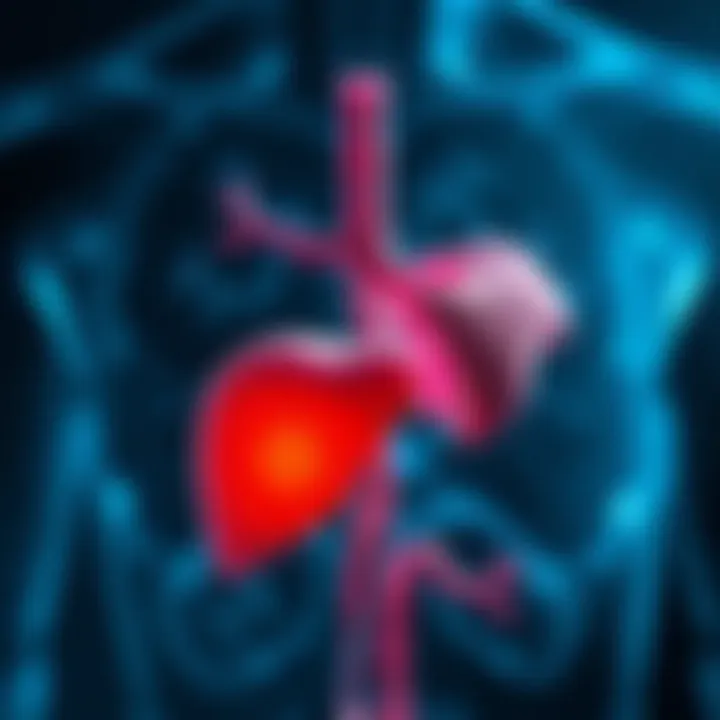
The liver is often referred to as the body's chemical factory. It’s responsible for:
- Detoxification: The liver breaks down toxins, substances, and drugs that enter the bloodstream. If functioning well, it keeps blood clean and healthy.
- Metabolism: It produces bile to help digest fats and converts excess glucose into glycogen for storage, returning it to the blood when needed.
- Nutrient Storage: It stores essential vitamins and minerals, making them available to the body over time.
- Protein Synthesis: Crucial proteins, such as clotting factors and albumin, are produced in the liver; these proteins are essential for numerous bodily functions.
In the context of psoriasis, the liver can influence systemic inflammation, which is tied to the severity of skin manifestations. Thus, understanding its role helps to realize how skin health interlinks with liver well-being.
Liver Diseases and Their Implications
When the liver is compromised, the whole body feels the brunt. Liver diseases such as fatty liver disease or cirrhosis can lead to significant health issues, some of which might include:
- Inflammation: Inflammatory markers can spill into the blood, influencing psoriasis severity.
- Reduced Detoxification: If the liver can't efficiently detox the body, it may worsen skin issues, leading to an increased intensity of psoriasis outbreaks.
- Nutrient Deficiency: Compromised function of the liver can lower nutrient absorption, impacting skin health negatively.
Additionally, those with psoriasis may experience altered liver function even in the absence of visible liver disease. This could lead to a cycle where psoriasis exacerbates liver issues, creating a long-term health challenge.
"The interaction between skin and organ health is a complicated dance; the liver and the skin must work in harmony to safeguard overall health.”
In summary, emphasizing the liver's function not only helps in understanding psoriasis better but also frequently paves the way to more effective management strategies. Disorders in liver function should be seen as a contributing factor rather than a secondary issue, keeping in mind that the health of one can significantly influence the other.
For additional detailed reading, consider exploring resources at Wikipedia, or relevant articles found on reputable medical sites like Britannica.
Link Between Psoriasis and Liver Health
Understanding the connection between psoriasis and liver health is crucial in appreciating the comprehensive nature of the impact this skin condition can have on overall well-being. Psoriasis is often perceived simply as a skin disorder, yet its implications extend far beyond the surface, potentially affecting various bodily systems. Significantly, research suggests that the liver, a central organ in metabolizing nutrients and detoxifying the body, can be adversely influenced by the inflammation and immune dysregulation characteristic of psoriasis.
This intersection is vital for several reasons:
- Holistic Patient Care: Recognizing the link encourages healthcare providers to consider liver function while managing psoriasis, rather than treating the skin condition in isolation.
- Preventative Measures: Early intervention can mitigate complications by monitoring liver health, implementing lifestyle changes, and adjusting treatment plans as needed.
- Improved Patient Outcomes: Addressing both conditions synergistically can enhance overall patient health, reduce the risk of severe liver disease, and, ultimately, improve quality of life.
In delving deeper into this relationship, we find that the underlying pathophysiology offers insights into how psoriasis might contribute to liver dysfunction, especially as the disease progresses.
Pathophysiology of Psoriasis and Liver Interaction
The interplay between psoriasis and liver function is rooted in complex physiological processes. One primary contributor is inflammation. Conditions like psoriasis elicit an immune response characterized by an overproduction of cytokines—proteins that facilitate communication between cells during immune responses. These cytokines are not just left in the skin; they circulate throughout the body, including the liver, leading to a range of responses.
Particularly, cytokines like TNF-alpha play a notable role. When the liver is under constant exposure to these inflammatory markers, it may lead to hepatocyte damage and subsequent liver dysfunction over time. This is especially concerning because the liver's ability to regenerate can be compromised with chronic inflammation.
Moreover, psoriasis may influence metabolic pathways in the liver. For instance, a higher prevalence of fatty liver disease has been observed in individuals with psoriasis. This condition suggests a further link between systemic inflammation and impaired liver function, making it imperative to consider liver assessments as integral components of psoriasis care.
Inflammatory Processes Linking Psoriasis to Liver Accounts
The inflammatory processes that link psoriasis with liver issues primarily revolve around the systemic effects of inflammation. Psoriasis leads to skin plaques that are not only unsightly but also serve as a battleground for inflammatory responses. The skin and liver interaction is facilitated through various routes, including systemic circulation and direct effects on hepatocytes.
When psoriasis flares, the body is in a state of heightened alert, resulting in a cascade of immune responses. These responses often lead to:
- Increased liver enzyme production: Affected liver cells can become inflamed, showing elevated enzyme levels in blood tests.
- Alterations in lipid metabolism: The liver struggles to process fats effectively, leading to conditions like non-alcoholic fatty liver disease, which holds significant implications for patients with psoriasis.
- Potential cirrhosis risk: Chronic inflammation can lead to scarring or fibrosis of the liver, which may progress to cirrhosis if not managed adequately.
Recognizing these links emphasizes the necessity for further study into the inflammatory pathways that connect these two conditions. More research can foster better diagnostic and treatment strategies, ensuring that individuals dealing with psoriasis receive comprehensive care addressing both their skin and liver health.
"The liver is more than just a filter; it is a dynamic organ influenced by systemic inflammation and other factors, making it a key player in psoriasis-related complications."
This understanding sets the stage for outlining the clinical features of liver involvement in psoriasis, which will be a focal point for both diagnosis and management.
Stages of Psoriasis Impacting the Liver
The significance of understanding the stages of psoriasis that affect liver function cannot be overstated. Psoriasis, while primarily recognized as a skin disorder, has systemic implications that profoundly influence liver health. By identifying and comprehending these stages, healthcare professionals can better manage their patients—promoting not only skin health but also preserving liver function.
Early detection is crucial since liver dysfunction can occur without obvious symptoms. Each stage of liver involvement can lead to an escalation of health complications, emphasizing the need for a proactive approach in monitoring liver function in patients diagnosed with psoriasis. The interplay between the disease and liver health is multifaceted and understanding this relationship helps in formulating effective management strategies for psoriatic patients. ⚕️
Initial Stage: Asymptomatic Liver Dysfunction
In this initial phase, the liver may begin to show signs of dysfunction, yet the patient remains largely unaware. Laboratory tests can detect slight elevations in liver enzyme levels, suggesting incipient issues. However, patients often don’t report symptoms, making this stage insidious.
Some factors to consider include:
- Subtle indicator levels in blood tests may signal the beginning of liver stress, even if no overt symptoms are present.
- Underlying inflammatory processes related to psoriasis may trigger hepatic stress at a cellular level.
Monitoring is critical during this stage. Healthcare practitioners must advocate for regular liver function tests in patients with psoriasis to catch any early signs of trouble. This can be pivotal in preventing future complications, creating an avenue for timely interventions.
Progressive Stage: Mild Liver Impairment
As the condition progresses, patients may begin to experience mild liver impairment. Symptoms can range from fatigue to nonspecific abdominal discomfort, leading to potential underestimation of severity.


At this stage, there are some key elements to highlight:
- Liver enzyme levels typically rise, with transaminases becoming more noticeably altered.
- Symptoms such as fatigue often lead to misinterpretation as stress-related fatigue, masking the underlying issue.
- Patients may be more susceptible to other concerns, such as fatty liver disease, which complicates both psoriasis and liver health.
Recognizing these signals allows for earlier modifications in treatment plans to minimize further damage. Lifestyle changes and dietary adjustments can significantly impact liver health at this juncture, presenting an opportunity to avert more serious consequences down the line.
Advanced Stage: Significant Liver Damage
In this advanced stage, liver dysfunction may manifest more severely. Patients can exhibit a broad spectrum of ailments ranging from jaundice to ascites. The implications of such changes are significant, as they can lead to major complications.
Important considerations in this advanced stage include:
- Increased risk of cirrhosis, where irreversible liver damage may already be underway.
- Potential for hepatocellular carcinoma, making monitoring and intervention even more critical.
- Management strategies may shift towards more aggressive interventions, including possible referral for specialty care.
Many patients may find themselves in a battle, where the reactive management of their psoriasis also needs to accommodate their liver condition. Long-term implications warrant an ongoing, interdisciplinary approach to treatment and management to support liver function while controlling psoriatic symptoms.
Clinical Features of Liver Involvement
Understanding the clinical features of liver involvement in psoriasis is crucial for healthcare professionals. This awareness aids in identifying complications early, influencing treatment decisions, and ultimately improving patient outcomes. Liver dysfunction can go unnoticed until it significantly impacts a person's health. By recognizing specific symptoms and signs, practitioners can intervene sooner and tailor management strategies effectively.
Symptoms Associated with Liver Dysfunction
Liver dysfunction manifest itself through various symptoms, many of which can be subtle or non-specific. Patients with psoriasis may experience:
- Fatigue: This feeling is often understated but can deeply affect daily living. Fatigue may stem from the liver's reduced ability to detoxify the body, leading to toxic build-up.
- Unexplained Weight Loss: Individuals may notice a gradual loss of weight that cannot be attributed to changes in diet or activity level.
- Nausea and Vomiting: Persistent nausea, sometimes accompanied by vomiting, may arise from metabolism disturbances.
- Abdominal Discomfort: Patients might feel discomfort in the right upper quadrant, where the liver sits, sometimes described as a dull ache or pressure.
- Dark Urine and Pale Stools: Changes in urine color and stool appearance can indicate liver issues. Dark urine can suggest bile obstruction, while pale stool might imply poor bile secretion.
- Jaundice: A noticeable sign, jaundice manifests as a yellowing of the skin and eyes. It's a clear indication of elevated bilirubin in the blood, often due to liver dysfunction.
This range of symptoms highlights the need for vigilance in monitoring liver health among individuals with psoriasis. Detecting any of these early signs is essential for proper management and referral to a specialist.
Signs of Liver Disease in Psoriasis Patients
Beyond symptoms, there are definitive physical signs that healthcare providers should look for when assessing potential liver disease in psoriasis patients. These may include:
- Spider Angiomas: Patches of small, spider-like blood vessels on the skin often indicate liver dysfunction.
- Palmar Erythema: A reddish discoloration of the palms can suggest liver pathology.
- Ascites: Noticeable accumulation of fluid in the abdominal cavity may occur in advanced liver disease.
- Enlarged Liver: Hepatomegaly, or liver enlargement, can be assessed through physical examination or imaging techniques.
Recognizing these signs allows healthcare practitioners to make informed decisions when evaluating psoriasis patients for potential liver involvement. Early detection leads to timely interventions and mitigates further complications.
Incorporating these clinical features into routine assessments enhances awareness and can significantly impact the clinical management of psoriasis patients. As more health professionals become cognizant of the connection between psoriasis and liver health, we can expect to foster better outcomes for those affected by these conditions.
Diagnostic Approaches
Understanding the relationship between psoriasis and liver health involves careful assessment through diagnostic approaches. This stage of investigation is crucial as it determines the extent of liver involvement in patients suffering from psoriasis. Early detection of liver dysfunction can significantly influence management strategies and improve patient outcomes.
There are two main components in the diagnostic toolbox: laboratory tests and imaging techniques. Both play unique yet complementary roles in evaluating liver function and assessing the overall health of the liver in individuals with psoriasis. By diving into these diagnostic methods, we can grasp their significance, various benefits, and the nuances each entails.
Laboratory Tests for Liver Function
Laboratory tests serve as the first line of action when exploring liver health in psoriasis patients. They provide valuable insights into how well the liver is functioning and can help pinpoint any abnormalities that may exist. The most commonly employed tests include:
- Liver Enzymes: Included are Alanine Aminotransferase (ALT) and Aspartate Aminotransferase (AST), which indicate liver inflammation. Elevated levels may signal damage and warrant further investigation.
- Bilirubin Levels: This measure helps assess how the liver processes substances. Increased bilirubin can suggest obstructive or hepatocellular disease.
- Alkaline Phosphatase (ALP): When elevated, it may indicate cholestasis or bile duct obstruction, issues that psoriasis patients might sometimes face.
- Prothrombin Time (PT): Examining blood clotting can reveal how well the liver is synthesizing clotting factors, which reflects liver functional reserve.
While these laboratory tests are crucial, they are not infallible. The results must be interpreted in the context of the patient's overall clinical picture, including their psoriasis severity and other health conditions.
Imaging Techniques for Assessing Liver Health
Imaging techniques complement laboratory findings, offering visual insights into liver structure and function. These methods are particularly useful for determining the extent of liver damage if clinical signs or laboratory results are suggestive of hepatic involvement. Popular imaging modalities include:
- Ultrasound: A non-invasive method, it is often the initial imaging approach due to its availability and utility in detecting liver enlargement, lesions, and fatty infiltrates.
- Computed Tomography (CT): Provides a more detailed view of the liver's anatomy and helps identify tumors or other structural anomalies.
- Magnetic Resonance Imaging (MRI): Especially useful in detecting subtle changes in liver tissue and evaluating the severity of liver disease. Neat, isn't it?
Understanding the nuances of diagnostic approaches is essential, as early recognition of liver dysfunction can pave the way for timely and effective management, ultimately preventing more severe complications.
Management Strategies for Liver Involvement
Addressing liver health in psoriasis patients is not merely an afterthought; it is a crucial aspect of holistic healthcare. The interplay between psoriasis and liver function significantly affects the patient's quality of life, making effective management strategies essential for minimizing complications. This section will explore various lifestyle modifications and pharmacological treatments that can beneficially affect liver health.
Lifestyle Modifications for Liver Health
Lifestyle choices can have a profound impact on liver health, especially for individuals dealing with psoriasis. Making thoughtful changes can help mitigate symptoms and potentially slow down disease progression. Here’s a detailed look at several key modifications:
- Dietary Adjustments: Focusing on a balanced diet rich in antioxidants can help combat oxidative stress associated with liver dysfunction. Foods such as leafy greens, berries, and nuts are excellent options. Reducing alcohol intake is also paramount, as excessive consumption can lead to further liver damage.
- Regular Exercise: Maintaining a consistent exercise routine is vital. Studies have shown that physical activity not only promotes overall well-being but also aids in weight management, a critical factor since obesity exacerbates liver issues. Aim for at least 150 minutes of moderate aerobic activity each week.
- Hydration: Drinking sufficient water throughout the day supports liver functions and helps flush out toxins. Aim for at least 8-10 glasses of water daily, adjusting based on physical activity levels.
- Stress Management: Chronic stress can negatively affect inflammatory responses. Engaging in relaxation techniques such as yoga, meditation, or even deep breathing exercises can significantly contribute to both mental and liver health.
"Management strategies are not one-size-fits-all. Tailoring them to individual needs is essential for effectiveness."
Incorporating these lifestyle changes may not produce instant results, but over time, they can enhance liver health and improve overall life satisfaction for psoriasis sufferers.
Pharmacological Treatments Available
When it comes to managing liver involvement in psoriasis, pharmacological approaches can play an essential role. However, it’s necessary to remember that any medication regime should be under strict medical supervision. Here are some options that are frequently considered:
- Anticipatory Therapies: Medications like methotrexate or cyclosporine are commonly used for treating psoriasis but can affect liver enzymes. Regular monitoring is crucial when patients are on these treatments, as dosage adjustments may be necessary based on liver function tests.
- Biologic Agents: Medications such as adalimumab and etanercept have emerged as effective choices for severe psoriasis. They target specific pathways in immune responses, potentially reducing inflammation and contributing positively to liver health in chronic conditions.
- Liver Protectants: Some supplements, such as silymarin (milk thistle), are thought to be liver protectants. Though more research is needed, many patients report benefits, and such supplements could be part of a broader treatment strategy.
- Monitoring & Follow-up: Often overlooked in treatment plans, regular assessments are crucial. Healthcare providers should implement routine liver function tests to catch any abnormalities early and adapt treatments accordingly.
Ultimately, the management of liver involvement in psoriasis must be multi-faceted, relying on both lifestyle adjustments and pharmacological interventions. This comprehensive approach not only helps in addressing current concerns but also in preventing potential complications down the road.
For more in-depth insights on managing liver health, resources such as PubMed and Mayo Clinic could be tremendously helpful.
Potential Complications
Understanding the potential complications associated with psoriasis and its impact on liver health is essential. These complications, notably cirrhosis and hepatic carcinoma, can significantly affect a patient's overall health and quality of life. When liver involvement goes unrecognized, these complications can develop insidiously, leading to severe long-term consequences.
Awareness of these complications equips healthcare professionals with the necessary insights to better monitor and manage psoriasis patients, especially those who may be predisposed to liver issues. Complications can vary widely, but recognizing their importance can improve patient outcomes. This section will delve into cirrhosis as a direct consequence of psoriasis and the heightened risk of developing hepatic carcinoma.
Cirrhosis as a Consequence of Psoriasis
Cirrhosis represents a state of advanced liver scarring. In the context of psoriasis, the risk of cirrhosis becomes a considerable concern. Chronic inflammation, which is a hallmark of psoriasis, can lead to sustained damage of liver tissues. This triggers a cycle of fibrosis and regeneration that ultimately causes the liver to become scarred or fibrotic.
- Mechanism of Development: The inflammation associated with psoriasis can lead to the overproduction of collagen in the liver. Over time, this excess collagen disrupts normal liver architecture, resulting in cirrhosis.
- Risk Factors: Genetic predispositions, lifestyle choices, and the severity of psoriasis may elevate the risk of progressing to cirrhosis. Factors like alcohol consumption and metabolic syndrome can also exacerbate liver damage in these patients.
Cirrhosis can result in myriad symptoms, from fatigue and jaundice to fluid retention, with some patients remaining asymptomatic until the later stages of the disease. Regular screening and monitoring for liver dysfunction in psoriasis patients is critical.
Managing chronic psoriasis effectively could potentially mitigate the risk of cirrhosis development. Lifestyle interventions, such as maintaining a healthy weight, abstaining from alcohol, and utilizing appropriate anti-inflammatory treatments, may play a role in reducing this complication.
Association with Hepatic Carcinoma
There’s an emerging understanding of the link between psoriasis and increased susceptibility to hepatic carcinoma, commonly known as liver cancer. Chronic liver disease, particularly cirrhosis, serves as a critical risk factor for the development of hepatocellular carcinoma (HCC).
- Cancer Risk: Studies indicate that individuals with severe psoriasis may have a higher incidence of liver cancer. The ongoing inflammation and regenerative processes in the liver can create an environment conducive for cancer cell development.
- Vigilance in Monitoring: Healthcare providers must remain vigilant. Patients with both psoriasis and cirrhosis should undergo regular imaging and blood tests to screen for liver tumors at appropriate intervals.
Regular follow-up and screening for liver cancer in psoriasis patients who exhibit liver dysfunction can be lifesaving. Early detection is key to improving outcomes.
Research into the mechanisms behind this association is ongoing. Understanding whether psoriasis treatment, such as systemic therapies that can mitigate inflammation, influences liver cancer risk remains a crucial area for further study.
The implications of these findings emphasize the necessity for an integrated approach in managing psoriasis that considers potential hepatic complications. By improving awareness and monitoring strategies, better overall health outcomes for patients can be achieved.
End
In reflecting upon the complexities surrounding psoriasis and its implications for liver health, it becomes clear that understanding these connections is vital for both patients and healthcare providers. The insights provided throughout this article shed light on various facets of this relationship, particularly focusing on the stages of liver involvement and the consequences that can arise.
Summarizing Key Insights
A thorough look into the stages of psoriasis affecting the liver reveals several key points:
- Initial Stage: Asymptomatic liver dysfunction often goes unnoticed, emphasizing the need for routine monitoring in psoriasis patients.
- Progressive Stage: Even mild impairment can have lasting effects; thus, early intervention is crucial.
- Advanced Stage: Significant damage can lead to severe consequences such as cirrhosis, underlining the importance of recognizing symptoms early on.
Furthermore, the diagnostic methods discussed—ranging from laboratory tests to imaging techniques—illustrate the need for comprehensive evaluation in patients already dealing with psoriasis. The importance of lifestyle modifications and pharmacological treatments cannot be overstated, as they can effectively manage liver health while navigating the complexities of psoriasis.
Future Directions for Research
Looking ahead, there are several avenues worth exploring to deepen our understanding of this intricate relationship.
- Longitudinal Studies: Conducting long-term studies on psoriasis patients could yield valuable data on liver function progression over time.
- Clinical Trials: Investigating novel treatment options specifically designed for patients experiencing liver involvement may provide new pathways for therapy.
- Genetic Research: Understanding genetic predispositions could help identify individuals at greater risk of liver disease as a result of psoriasis.
Ultimately, advancing research in these areas not only seeks to enhance patient care but also aims to promote awareness about the often-overlooked liver involvement in psoriasis. Incorporating these perspectives into clinical practice can pave the way for improved health outcomes, whereby professionals actively discuss these risks with their patients, encouraging proactive management of both psoriasis and liver health.
"Awareness is the first step towards making informed decisions about health, and understanding the links between psoriasis and liver function is critical in this pursuit."
By maintaining an open dialogue and fostering continued inquiry, we can better equip both patients and practitioners to tackle the challenges posed by psoriasis and its various stages of liver impact.