
Understanding the Vital Roles of the Pulmonary Artery
Intro
The pulmonary artery plays a pivotal role in the cardiovascular system, acting as the highway for deoxygenated blood headed straight for the lungs. Unlike other arteries that circulate oxygen-rich blood throughout the body, the pulmonary artery does a unique dance, traversing from the heart to the lungs to ensure that the blood is refreshed with oxygen and rid of carbon dioxide. This process is essential for maintaining homeostasis in the body.
Understanding the intricacies of the pulmonary artery is not just pertinent for medical professionals; it also serves students and researchers in enhancing their grasp of human physiology. This guide will weave through the anatomical structure, the mechanisms by which blood is propelled to the lungs, and the implications arising from dysfunction in this vital vessel. Expect further revelations about the emerging pathologies linked to pulmonary artery function alongside current diagnostic and treatment strategies.
By breaking down the complexities of the pulmonary artery, we aim to provide a window into its significance within the greater cardiovascular framework, while simultaneously highlighting the necessity of understanding related health issues.
Research Highlights
Key Findings
The investigation into the pulmonary artery has revealed several noteworthy findings that underscore its importance:
- Anatomical Structure: The pulmonary artery bifurcates into the right and left branches, sending blood to each lung. Understanding this branching is crucial; it demonstrates how blood is delivered efficiently to two distinct areas designed for gas exchange.
- Blood Transport Mechanics: The heart's right ventricle pumps blood through the pulmonary artery under lower pressure than systemic arteries, which is a lifesaver for preventing damage to lung tissues.
- Pathophysiological Insights: Conditions like pulmonary hypertension and chronic thromboembolic pulmonary hypertension can disrupt the normal function of the pulmonary artery, leading to severe health implications.
Implications and Applications
The insights gathered from studying the pulmonary artery hold multiple implications:
- Diagnostics: Advanced imaging techniques such as CT pulmonary angiography help in diagnosing pulmonary artery diseases effectively, allowing for timely interventions.
- Treatment Strategies: Knowledge of pathologies pushes research towards novel treatments, including pharmaceutical interventions that target vascular relaxation and remodeling.
- Educational Importance: By evenly distributing knowledge on pulmonary health, educators can shape the curriculum for aspiring healthcare professionals, helping them realize the significance of this artery in holistic health management.
"A deep understanding of the pulmonary artery opens up new avenues for effective interventions and therapeutic strategies, potentially reshaping patient outcomes significantly."
Expounding on these findings establishes a well-rounded foundation for comprehensively understanding the pulmonary artery's critical functions. As we navigate through the associated methodologies, it will become clear how these findings interweave with current research and clinical practices.
Prolusion to the Pulmonary Artery
The pulmonary artery plays a pivotal role in maintaining the delicate balance of the cardiovascular system, often overshadowed by the more commonly discussed coronary arteries. Understanding its functions offers insights not only into how blood is transported from the heart to the lungs but also into how vital processes like gas exchange depend on this structure. The significance of the pulmonary artery extends beyond its anatomical description; it is a key player in respiratory health and overall bodily function.
The purpose of this section is to bring to the forefront the importance of the pulmonary artery, emphasizing not just its role but also its interconnected relationship with other cardiovascular components. Grasping the essence of what the pulmonary artery is and how it operates can be valuable for students, practitioners, and researchers alike. There is much to unpack here, particularly when one considers the implications of pulmonary artery dysfunction and its extensive reach into pathophysiological conditions.
Definition and Overview
The pulmonary artery is a major blood vessel that emerges from the right ventricle of the heart. Its primary function is to transport deoxygenated blood to the lungs. Unlike other arteries that carry oxygen-rich blood, the pulmonary artery carries blood that is low in oxygen and high in carbon dioxide. When this blood reaches the lungs, it undergoes a crucial transformation—it exchanges carbon dioxide for oxygen.
The journey begins with the right ventricle pumping the blood into the pulmonary artery, which bifurcates into the right and left pulmonary arteries, each of which heads towards its respective lung. This systemic function serves a fundamental role in ensuring that the body is adequately supplied with oxygen, highlighting the importance of the pulmonary artery in the larger circulatory framework.
Historical Context
Historically, the understanding of the pulmonary artery and its functions has evolved significantly.
Centuries ago, during the time of ancient Rome, the exploration of the circulatory system was in its infancy. Galen’s teachings dominated, suggesting a complex understanding of blood flow that lacked the clarity we have today. It wasn't until the 17th century that William Harvey, an English physician, proposed the concept of circulation that challenged prevailing myths. His work laid the groundwork for understanding the role of the pulmonary arteries by demonstrating how the heart pumps blood throughout the body.
As medical science progressed, research into the pulmonary artery expanded, particularly in the late 19th and 20th centuries. Advancements in imaging techniques and surgical methods allowed for deeper insights into the structure and function of the pulmonary arteries, paving the way for developments in treating associated diseases. The historical context underscores not only a timeline of discovery but the ongoing journey of knowledge regarding this vital component of the cardiovascular system.
Anatomy of the Pulmonary Artery
The anatomy of the pulmonary artery is vital in understanding its crucial role in the cardiovascular system. This artery is not just a blood vessel; it is the main conduit for deoxygenated blood traveling from the heart to the lungs. A clear grasp of its structure and branching is essential for anyone delving into pulmonary health or vascular biology. The pulmonary artery is unique because it carries blood that is low in oxygen, contrasting with most arteries that transport oxygen-rich blood.
Key aspects to consider include the diameter, length, and branching patterns of this artery, which influence how blood flows under varying physiological conditions. For students and professionals alike, familiarity with these anatomical features can enhance insight into the potential impacts of heart and lung diseases.
Structural Features
The pulmonary artery extends from the right ventricle of the heart, initially appearing as a singular vessel before it bifurcates into the right and left pulmonary arteries. This division occurs just after the artery exits the heart, engendering a direct pathway to each lung. Structurally, the walls of the pulmonary artery are thinner than those of the aorta, allowing for greater elasticity and accommodating fluctuations in blood flow and pressure as it responds dynamically to the body's oxygen demands.
Furthermore, the endothelial lining within this artery plays a crucial role in regulating vascular tone and health. It releases substances that can either constrict or dilate the vessel, highlighting the importance of maintaining this structure’s integrity for overall cardiovascular health.
Branches and Distribution
The pulmonary artery’s branching is fundamental for efficient gas exchange. After its initial bifurcation, each pulmonary artery branches further into smaller arterial structures that lead into the capillary networks of the lungs.
Right Pulmonary Artery
The right pulmonary artery is remarkably longer than its counterpart as it travels horizontally across the mediastinum to reach the right lung. This artery’s advantageous length provides a direct route to the right lung’s larger bronchial division. One key characteristic of the right pulmonary artery is its position—posterior to the ascending aorta and anterior to the right main bronchus. This anatomical placement is crucial as it aids in minimizing any obstruction and maintaining efficient blood flow to the right lung.
Its unique feature of being situated laterally provides an easier pathway for surgical accessibility, which can be vital for interventions like catheterizations. This can also be beneficial when considering pathology, as understanding its route and relation to surrounding structures aids in diagnosing related conditions and planning treatment.
Left Pulmonary Artery
In contrast, the left pulmonary artery is shorter yet more vertical, stemming from just behind the aortic arch. This artery travels more directly to the left lung. A significant aspect of the left pulmonary artery is its distinct relationship to nearby anatomical structures. For instance, it passes under the aortic arch and is closely associated with the left main bronchus. This positioning is essential, as it adapts to the compact arrangement of vessels and airways in the thoracic cavity.
The left pulmonary artery also features a remarkable adaptive capability in response to pulmonary pressures. Understanding how it distributes blood flow symmetrically, despite the variation in length compared to the right pulmonary artery, underscores its adaptability in managing physiological conditions.
Understanding the individual features of both the right and left pulmonary arteries can significantly impact our thorough grasp of airflow and blood distribution in the lungs.
In summary, the anatomy of the pulmonary artery, with its unique structures and branching patterns, lays the foundation for its vital roles in gas exchange and overall respiratory health. The disparity between the left and right pulmonary arteries not only reflects their functional roles but also showcases the body’s remarkable adaptability in maintaining efficient circulatory pathways.
Physiological Role of the Pulmonary Artery
The pulmonary artery plays a crucial role in ensuring that oxygen is supplied to the body while simultaneously facilitating the removal of carbon dioxide. This artery is not just another blood vessel; it is the highway that connects the heart to the lungs, a pathway vital for the survival of aerobic organisms. Understanding the physiological functions of the pulmonary artery can shed light on various cardiovascular and respiratory conditions. Here, we dive into three main functions that highlight its significance: the transport of deoxygenated blood, the gas exchange process, and blood pressure regulation.
Transport of Deoxygenated Blood
Deoxygenated blood flows from the heart through the pulmonary artery en route to the lungs. This is contrary to most arteries, which carry oxygenated blood away from the heart. As the right ventricle contracts, it propels blood into the pulmonary artery. This blood is low in oxygen and high in carbon dioxide, a byproduct of cellular metabolism.
- Route: Once it leaves the heart, the pulmonary artery bifurcates into the right and left pulmonary arteries, directing blood to the respective lungs.
- Importance: Transporting deoxygenated blood allows for efficient gas exchange in the alveoli, which are tiny air sacs in the lungs. Here, carbon dioxide is expelled, and oxygen enters the bloodstream. Without an effective transport system, oxygen levels would plummet, and carbon dioxide levels would rise, leading to suffocation.
"The pulmonary artery is a lifeline— transporting carbon dioxide-laden blood to be rejuvenated by fresh oxygen is not just a function; it's a necessity for life."
Gas Exchange Process
Once the blood reaches the lungs, the pulmonary artery acts as the bridge to the gas exchange process. Here’s how it unfolds:
- Alveolar Interface: Blood traveling through the pulmonary capillaries, which merge from the pulmonary arteries, comes in close proximity to the alveoli.
- Diffusion: Oxygen from the air inhaled into the lungs diffuses across the alveolar wall into the blood, while carbon dioxide diffuses from the blood into the alveoli to be exhaled.
- Effect on Systemic Circulation: The oxygen-rich blood is then transported back to the heart through the pulmonary veins, ready for distribution to the body. This initialized phase is crucial because it enables the body’s cells to function efficiently.
The efficiency of gas exchange reflects the health of the pulmonary artery and surrounding structures, as any obstruction can lead to serious complications like hypoxemia, a condition characterized by low blood oxygen levels.
Blood Pressure Regulation
The pulmonary artery also plays a notable role in regulating blood pressure within the pulmonary circulation. Its ability to constrict and dilate is essential for managing the distribution of blood flow:
- Vascular Tone: By adjusting its diameter in response to various stimuli, the pulmonary artery can modulate the pressure within the pulmonary system. For instance, if oxygen levels in certain areas of the lung are low, the vessels constrict to divert blood flow to regions with higher oxygen availability.
- Impact on Heart Function: Proper regulation of pulmonary artery pressure is critical because elevated pressures (such as in pulmonary hypertension) can strain the right side of the heart, leading to heart failure.
By understanding the various physiological roles of the pulmonary artery, one gains insight into the interconnectedness of the heart and lungs, highlighting the importance of maintaining cardiovascular health.
In summary, the pulmonary artery is vital for transporting deoxygenated blood to the lungs, facilitating gas exchange, and regulating pulmonary blood pressure. Each function underlines not only the artery’s significance but also the intricate workings of the cardiovascular system.
For further reading on the intricate functions of the pulmonary artery, visit: Britannica or Wikipedia.
Explore studies on arterial blood pressure and oxygen exchange at PubMed or ResearchGate.
Pulmonary Artery Functioning
The functioning of the pulmonary artery is a cornerstone of our cardiovascular health, serving as a vital link between the heart and the lungs. This section examines the intricacies of how this artery operates under normal conditions and how it adapts to varying physiological demands. Understanding the mechanics of its operation reveals insights not only into normal bodily functions but also into what goes awry when health issues arise. It becomes evident that a well-functioning pulmonary artery is essential for effective blood circulation and oxygen distribution throughout the body.
Normal Hemodynamics
In healthy individuals, the pulmonary artery facilitates the transport of deoxygenated blood from the right ventricle of the heart to the lungs. During this journey, a series of hemodynamic processes take place, which can be summarized as:
- Pressure Regulation: The pulmonary artery regulates blood pressure to ensure that an adequate volume of blood reaches the lung's microvascular structures where gas exchange occurs. Lower pressures here compared to systemic circulation prevent damage to delicate lung tissues.
- Flow Dynamics: Blood flow through the pulmonary artery can be likened to water flowing through a hose. The smooth muscle layer within the arterial wall plays a crucial role in vasodilation and vasoconstriction, enabling the artery to adapt to changing blood flow demands, especially during physical exertion.
- Oxygenation Efficiency: Once blood reaches the lungs, it encounters tiny air sacs called alveoli, which facilitate gas exchange. The efficient transport and timely release of blood by the pulmonary artery is vital for maximizing the oxygen uptake and carbon dioxide removal.
This intricate system of regulation allows the pulmonary artery to maintain homeostasis and ensure that oxygen delivery meets bodily requirements, particularly during varying levels of activity.
Physiological Adaptations
Adaptation is a hallmark of the pulmonary artery, especially in response to challenges such as high altitudes, exercise, or underlying health conditions. Key adaptations include:
- Altered Blood Flow: In response to increased demand, such as during intense exercise, the body can increase blood flow through the pulmonary circuit. This is achieved by relaxing the vascular smooth muscle, allowing more blood to travel through with less resistance.
- Structural Changes: Prolonged exposure to high pressures or other stressors can lead the pulmonary artery to remodel itself. This remodeling may involve changes in vessel diameter or wall thickness to cope with heightened demands.
- Acclimatization to Altitude: As one ascends to higher altitudes, the body may respond by enhancing pulmonary artery function. This includes increased production of red blood cells and adjusting the efficiency of oxygen transport.
- Responses to Pathological Conditions: Conditions such as obesity or chronic lung diseases alter how the pulmonary artery functions. The body adapts by increasing the vascular resistance, which can lead to eventual hypertension within the pulmonary circuit.
Understanding how the pulmonary artery adapts to various physiological challenges is essential in the context of disease prevention and management. Recognizing normal from pathological adaptation can significantly aid health professionals in diagnosing conditions early and tailoring treatment plans accordingly.
"The resilience of the pulmonary artery showcases the body’s remarkable capacity to adapt, highlighting the delicate balance necessary for optimal respiratory and circulatory health."
These considerations of normal hemodynamics and physiological adaptations underscore the critical importance of the pulmonary artery in maintaining health and addressing disease. Through thorough examination and awareness of these processes, we can better appreciate the complexities of our cardiovascular system.
Dysfunction and Pathologies
Understanding the dysfunctions and pathologies related to the pulmonary artery is crucial. These conditions can have significant consequences, not just for the artery itself but for the entire cardiovascular and respiratory systems. When the pulmonary artery is compromised, it can lead to a domino effect of health issues that can severely affect quality of life. By delving into the specifics of these conditions, we can comprehend their implications and the importance of timely diagnosis and intervention.
Pulmonary Hypertension
Causes
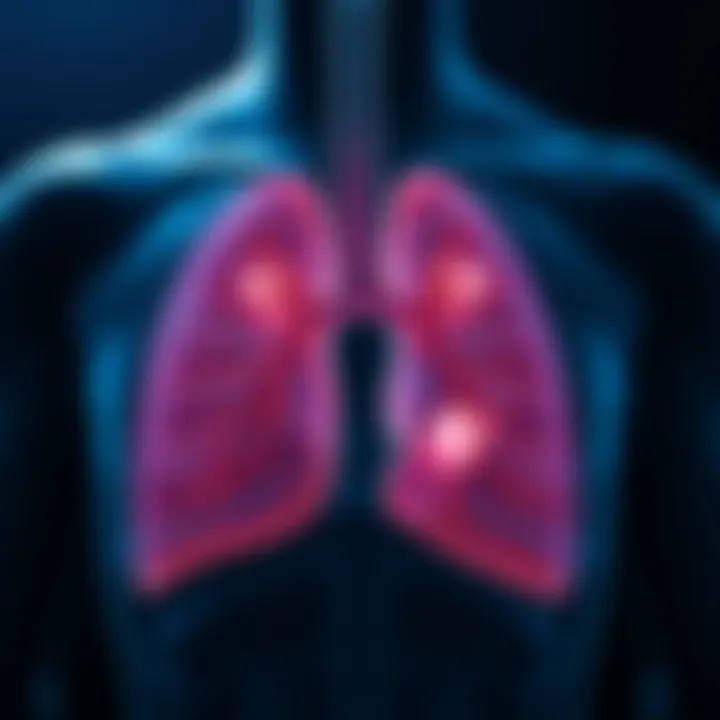
Pulmonary hypertension is primarily a condition where blood pressure in the pulmonary artery becomes elevated. Several factors contribute to its development. One key aspect is the narrowing of the pulmonary arteries, which might arise from pulmonary embolisms or chronic lung diseases. In some cases, even conditions such as left heart failure can lead to elevated pressures. This understanding of causes provides a framework for protective measures and can inform treatment strategies effectively. For instance, if someone can identify risk factors like obesity or prolonged exposure to high altitudes, they may take preventative actions. However, the hidden nature of this condition often means that it goes undiagnosed until significant damage has occurred.
Symptoms
Detecting pulmonary hypertension can be quite tricky, mainly due to its overlapping symptoms with other respiratory conditions. Classic symptoms often include shortness of breath, especially during physical activity, fatigue, and sometimes chest pain. The uniqueness of these symptoms lies in their gradual onset, which tends to mislead individuals into assuming they’re just signs of aging or normal fatigue. This delayed recognition can be detrimental, highlighting the necessity for healthcare professionals to be vigilant in assessing patients' complaints thoroughly.
Impact on Function
The impact of pulmonary hypertension on the body's function is profound. As the pressure within the pulmonary artery continues to rise, it increases the workload on the right side of the heart. Over time, this heightened stress can lead to right heart failure, a severe condition that sets off a chain reaction of complications. This relationship between pulmonary hypertension and heart function reveals much about the importance of monitoring and managing blood pressure in the pulmonary arteries to prevent future complications. The awareness of such a relationship can greatly affect treatment decisions and patient education approaches, emphasizing preventive healthcare measures.
Pulmonary Embolism
Risk Factors
Pulmonary embolism, where a blood clot lodges in the pulmonary artery, poses serious risks that are often influenced by certain lifestyle choices and medical conditions. Key risk factors include prolonged immobility, recent surgeries, or even conditions such as cancer and certain genetic disorders that affect blood clotting. Recognizing these risk factors is invaluable; early intervention can prevent the progression of this life-threatening condition. Individuals who are aware of their risk might opt for preventive measures such as active lifestyle practices or management of existing health problems.
Symptoms
Symptoms of a pulmonary embolism can manifest quickly and can be severe, often presenting as sudden shortness of breath, chest pain, or coughing up blood. It’s crucial to note that these symptoms may appear suddenly and without warning, making them a unique feature that sets this condition apart from others. The immediacy of these symptoms may compel individuals to seek out medical help faster, potentially saving lives. Due to the unpredictable nature, clinicians should prioritize pulmonary embolism when a patient presents with respiratory distress, thereby enhancing life-saving interventions.
Treatment Strategies
Treatment of pulmonary embolism hinges on timely diagnosis and intervention. Common treatment strategies typically include anticoagulant medications, which prevent further clotting, and in more severe cases, thrombolytic therapy might be employed to dissolve existing clots. The development of innovative devices and technologies for both diagnosis and management is a significant aspect of ongoing research in this area. Understanding these treatment strategies and their implementation can empower both patients and healthcare providers to effectively tackle this condition before it escalates.
Other Related Conditions
Congenital Conditions
Congenital conditions can add layers of complexity to pulmonary artery function. Conditions such as congenital heart defects can result in abnormal blood flow dynamics, leading to an increased risk of pulmonary hypertension or other vascular issues. The implications of diagnosing such congenital conditions early can significantly improve long-term outcomes. By recognizing these conditions from an early age, clinicians can set up monitoring and treatment protocols that address potential complications, ultimately preserving lung and heart function.
Acute and Chronic Disorders
When we examine acute and chronic disorders, they can substantially impact the pulmonary artery's health and functionality. Acute conditions might include events such as pulmonary embolism, which require immediate attention. On the other hand, chronic issues like chronic obstructive pulmonary disease (COPD) or interstitial lung disease can lead to a gradual decline in pulmonary artery function. Understanding the distinctions between these disorders is crucial for developing appropriate management strategies and ensuring that patients receive optimal care tailored to their specific health scenarios. This ongoing differentiation fosters targeted treatments that address the root causes of either acute or chronic disorders, augmenting overall patient well-being.
Diagnosis of Pulmonary Artery Disorders
Diagnosing disorders associated with the pulmonary artery is crucial for understanding various cardiovascular diseases. Early detection and accurate diagnosis can significantly impact patient outcomes. Pulmonary artery conditions often present with symptoms that can be mistaken for more common ailments, making effective diagnostic methods essential. In this section, we will explore different diagnostic tools, highlighting their specific roles and advantages, along with the considerations associated with their use.
Imaging Techniques
X-rays
X-rays serve as a fundamental imaging technique in evaluating the pulmonary artery. They produce images that help in assessing the size and position of the pulmonary arteries. One significant aspect of X-rays is their ability to reveal the heart's silhouette and the vascular structures in the chest. This imaging method is especially beneficial for quick, initial screenings in a clinical setting.
A key characteristic of X-rays is that they are non-invasive and relatively quick to perform. They often provide an immediate overview, which can guide further testing. However, they have limitations. X-rays may not show subtle lesions or smaller anomalies, which can be crucial in diagnosing complex pulmonary artery disorders. Therefore, while X-rays are widely used, they are typically paired with other diagnostic tools for a comprehensive assessment.
CT Scans
CT scans offer a more detailed view of the pulmonary artery compared to X-rays. They use advanced imaging technology to create cross-sectional images, highlighting both the artery and surrounding structures. The ability to visualize 3D images of the pulmonary arteries is a notable advantage of CT scans, allowing for a more thorough evaluation of any abnormalities.
CT scans are particularly beneficial in diagnosing conditions like pulmonary embolisms, where rapid decisions regarding patient management are crucial. However, there are considerations to account for. Patients may be exposed to higher doses of radiation compared to X-rays, and the use of contrast materials can raise concerns for those with allergies or renal insufficiency. Despite these drawbacks, CT scans remain a popular choice due to their detailed output and the speed with which they provide results.
MRIs
MRIs have grown in their application within cardiac imaging, including the assessment of the pulmonary artery. One of their standout features is the use of magnetic fields and radio waves to generate images, avoiding radiation exposure. This makes MRIs a compelling option for patients who require repeated assessments over time.
The advantage of MRIs lies in their ability to provide high-resolution images of soft tissues, allowing for a clearer assessment of the pulmonary artery and its branches. They can help in identifying congenital defects or other structural issues within the artery. However, MRIs also have limitations, such as higher costs and longer scanning times compared to other imaging methods. Moreover, some patients may find it challenging to remain in the enclosed space, leading to discomfort during the procedure.
Functional Testing
Echocardiography
Echocardiography is a widely utilized functional testing method to assess the pulmonary artery's health. This technique uses ultrasound waves to create images of the heart and blood flow, providing insights into hemodynamic function. One of the most significant contributions of echocardiography is its ability to measure the pressure in the pulmonary artery indirectly, which is crucial in diagnosing pulmonary hypertension.
An attractive feature of echocardiography is its non-invasive nature and ability to perform the test at the bedside, making it convenient for both doctors and patients. Additionally, it is cost-effective compared to other imaging modalities. The limitations of echocardiography include operator dependency and possible interpretations that can vary based on the skill level of the technician.
Stress Testing
Stress testing evaluates the heart's performance under physical exertion. For pulmonary artery diagnostics, it can provide valuable information about how the arteries respond to stress, particularly when exercise-induced pulmonary hypertension is suspected. The test is designed to observe the heart's function and blood flow dynamics when subjected to increased activity.
A key feature of stress testing is its ability to provoke symptoms or conditions that might not be observable at rest, providing insights that can lead to a more nuanced understanding of the patient's health. While it is a beneficial component in assessing functional capacity, stress testing requires careful monitoring and can be less appropriate for patients with certain conditions who might struggle with physical exertion.
Biomarker Assessment
Biomarker assessment complements imaging and functional testing in diagnosing pulmonary artery disorders. This method involves analyzing specific biological markers in the blood that indicate physiological conditions related to pulmonary artery health. Elevated levels of certain biomarkers may signify pulmonary hypertension or other vascular disorders.
The integration of biomarker assessment can enhance diagnostic accuracy and provide insights into disease progression, making it a valuable tool in the clinical setting. However, the interpretation of biomarker results requires expertise, and not all biomarkers have well-defined standards, introducing variability in diagnosis.
Understanding the diagnostic processes for pulmonary artery disorders through imaging, functional testing, and biomarker assessment is critical. It not only aids in the early detection of potential conditions but also helps in formulating effective management strategies.
Management and Treatment of Pulmonary Artery Conditions
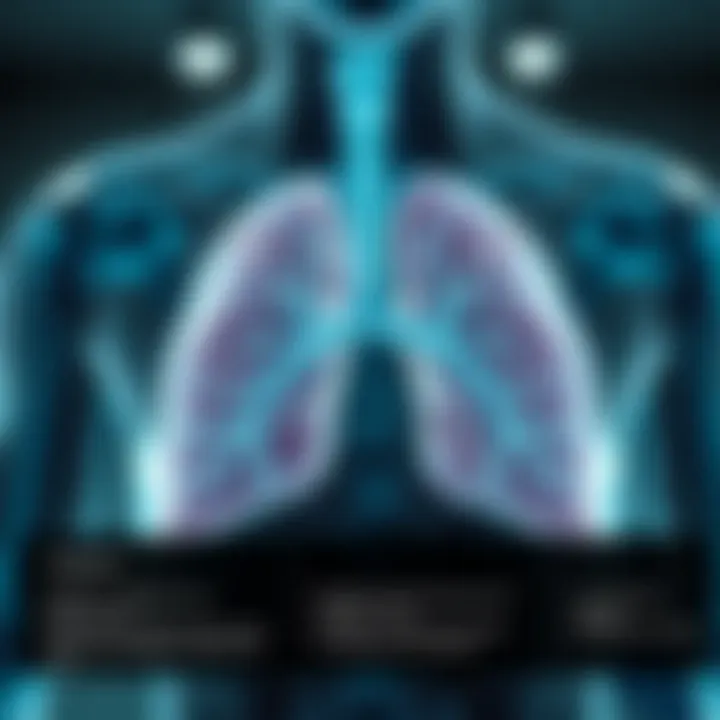
Managing pulmonary artery conditions is essential for promoting optimal cardiovascular function and ensuring patient well-being. This part of the article sheds light on the various approaches for managing disorders associated with the pulmonary artery, from medication to lifestyle changes. Understanding these methods can lead to improved patient outcomes and a better quality of life.
Pharmacological Approaches
Vasodilators
Vasodilators play a crucial role in the treatment of pulmonary artery hypertension. These medications work by relaxing the smooth muscle lining blood vessels, which can lower the pressure in the pulmonary arteries. A key characteristic of vasodilators is their ability to enhance blood flow to the lungs by decreasing vascular resistance. This characteristic makes them a popular choice in the management of high blood pressure in the pulmonary artery.
A unique feature of vasodilators is their rapid onset of action, which means that patients may experience relief from symptoms almost immediately. However, one downside to using vasodilators includes potential side effects, such as headaches and flushing, that can accompany their rapid effects. It's essential for healthcare providers to monitor these patients closely to strike a balance between effective treatment and manageable side effects.
Anticoagulants
Anticoagulants are another critical component in the management of pulmonary artery conditions, particularly those that may lead to blood clots, such as pulmonary embolism. These medications work by reducing the blood's ability to clot, which can be lifesaving in acute scenarios. The key characteristic of anticoagulants is their effectiveness in preventing existing clots from growing larger and new clots from forming.
One unique advantage of anticoagulants lies in their long-term efficacy, helping to manage conditions like thromboembolic disorders over extended periods. Nonetheless, they are not without disadvantages; for instance, they can increase the risk of bleeding and require careful monitoring. Patients might need regular blood tests to ensure appropriate dosing, making the management of these medications somewhat complex.
Surgical Interventions
Thrombectomy
Thrombectomy is a surgical procedure aimed at removing blood clots from the pulmonary arteries. This intervention is a key choice, particularly in cases of severe pulmonary embolism where rapid restoration of blood flow is necessary. The hallmark of thrombectomy is its ability to quickly alleviate symptoms and restore hemodynamic stability in affected patients.
One of the distinguishing features of thrombectomy is that it often involves minimally invasive techniques, resulting in shorter recovery times for patients. However, this procedure is not risk-free; it carries potential complications such as bleeding or infection. Therefore, careful assessment of the risks versus benefits is imperative when considering this surgical option.
Pulmonary Endarterectomy
Pulmonary endarterectomy is a specialized surgical procedure designed to remove blockages in the pulmonary arteries caused by chronic clot formation. This high-stakes operation typically comes into play when other treatments have failed, and it offers a unique opportunity to address long-standing pulmonary hypertension. A notable characteristic of pulmonary endarterectomy is its potential to provide long-term relief from symptoms and significantly improve patients’ quality of life.
However, pulmonary endarterectomy is technically demanding and typically reserved for select patients. The unique challenge is that it requires skilled surgical teams and may not be available in all medical facilities. Additionally, like any surgery, it carries inherent risks, including complications associated with anesthesia and the surgery itself.
Lifestyle Modifications
Lifestyle modifications can complement pharmacological and surgical interventions, providing a comprehensive approach to managing pulmonary artery conditions. Simple changes such as dietary adjustments, regular physical activity, and avoiding smoking can have significant long-term effects. For instance, a heart-healthy diet rich in fruits, vegetables, and whole grains can support overall cardiovascular health. Regular physical activity tailored to the individual's capacity can enhance respiratory efficiency and improve overall health.
Moreover, weight management plays an important role, as excess weight can strain the heart and lungs, potentially worsening symptoms. Engaging in stress-reducing activities, like yoga or meditation, may also be beneficial for overall cardiovascular health.
Adopting these lifestyle changes not only helps in managing symptoms but also empowers patients to take an active role in their health, fostering a sense of control and well-being.
Future Research Directions
As we delve deeper into understanding the pulmonary artery, highlighting future research directions is crucial. This area is not only vital for addressing current medical challenges, but it also paves the way for innovative approaches that could revolutionize treatment outcomes. Expanding on existing knowledge can potentially lead to breakthroughs in managing pulmonary artery-related conditions, which are increasingly prevalent in modern society. The significance of this topic in ongoing studies can't be overstated as it encompasses various dimensions, from therapeutic interventions to advanced diagnostic techniques.
Innovations in Treatment
Research into new treatment modalities shows promise. Recent innovations involve drug delivery systems designed for localized treatment within the pulmonary artery, which could minimize systemic side effects. For instance, innovative vasodilators offer targeted action to alleviate conditions such as pulmonary hypertension without affecting the entire circulatory system. Moreover, combination therapies that integrate other cardiovascular medications with these novel agents could provide enhanced efficacy.
Research teams are currently examining the use of nanoparticles for drug delivery, paving the path for more precise interventions. This approach may not only improve the efficacy of existing medications but could also reduce the frequency of doses, thereby increasing patient compliance and satisfaction.
Potential for Gene Therapy
The potential for gene therapy in treating pulmonary artery conditions is another exciting avenue for research. By targeting genetic mutations associated with various disorders, scientists are envisioning ways to correct these at the DNA level, addressing root causes rather than merely alleviating symptoms. Developments in CRISPR technology hold significant promise in this regard, allowing for precise alterations to problematic genes found in specific pulmonary conditions.
For example, if researchers can successfully modify genes related to vascular smooth muscle cell proliferation, this could lead to new strategies for managing pulmonary hypertension effectively. By restoring the normal function of the pulmonary artery at a molecular level, gene therapy could shift the paradigm from symptom management to potential cures.
Enhancements in Diagnostic Tools
Finally, advancements in diagnostic tools are vital for timely detection and intervention of pulmonary artery diseases. Emerging imaging technologies, such as high-resolution MRI and advanced ultrasound techniques, provide detailed insights into the structure and function of these arteries. These refinements can lead to quicker and more accurate diagnoses, enabling more personalized treatment plans tailored to individual patient needs.
Moreover, wearable technology that monitors vital signs remotely is gaining traction. This innovation allows for continuous monitoring of pulmonary health, potentially flagging concerns before they escalate into significant issues. For professionals in the field, embracing these tools could vastly improve patient outcomes and streamline management strategies.
"Investing in future research directions is akin to laying the groundwork for a healthier tomorrow. Without it, progress stalls, and the depth of our understanding remains shallow."
Culmination
The pulmonary artery plays a vital role in maintaining the homeostasis of the cardiovascular system, with implications that underscore its significance far beyond simple blood transport. As discussed, this article provides an overarching view of the anatomy and physiology of the pulmonary artery, as well as the pathologies that can compromise its function. Understanding these fundamental aspects is crucial for both healthcare professionals and researchers alike, as it allows for better diagnostics, treatments, and innovations designed to enhance patient outcomes.
Highlighting the key points discussed, we can acknowledge how the pulmonary artery's structure facilitates efficient blood flow from the heart to the lungs, ensuring adequate oxygenation crucial for overall metabolic processes. Furthermore, recognizing dysfunctions such as pulmonary hypertension or embolism adds depth to our comprehension, enabling timely interventions that can significantly alter the course of a patient's health trajectory.
In light of prevalent respiratory and circulatory conditions, the importance of a thorough understanding of the pulmonary artery cannot be overstated. Healthcare providers equipped with this knowledge can not only treat existing conditions more effectively but also contribute to research aimed at developing preventive strategies. Moreover, as we inch closer to advances in gene therapy and innovative treatment methodologies, the role of research targeting the pulmonary artery becomes crucial in shaping the future landscape of cardiovascular care.
The pulmonary artery is not just a vessel; it is a conduit of life, determining the quality of oxygen that reaches our tissues and organs, impacting our very existence.
Summary of Key Points
- The pulmonary artery is the main channel for deoxygenated blood moving from the right ventricle to the lungs.
- Its structure is designed for efficient blood transport, composed of three main layers: the intima, media, and adventitia.
- Pathologies like pulmonary hypertension and embolism can lead to serious health complications if not addressed promptly.
- Diagnostic methods such as imaging and functional tests are crucial for the early detection and monitoring of pulmonary artery disorders.
- Treatment strategies range from pharmacological approaches to surgical interventions, aiming to restore normal functionality.
Final Thoughts
In summarizing the exploration of the pulmonary artery's multifaceted role in human physiology, it becomes clear that it is much more than just a pathway for blood. The integration of anatomical insights, physiological functions, and implications of various disorders paints a full picture necessary for grasping the complexity of the cardiovascular system.
As future research continues to reveal the depths of pulmonary artery functions and their impact on health, it is incumbent upon educators and clinicians to remain informed and adaptable. This knowledge not only paves the way for improved patient care but also fuels further inquiry into preserving and enhancing the functionality of this essential vascular structure.