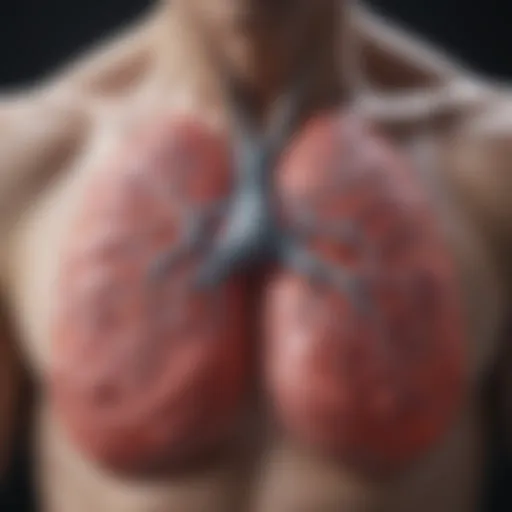
Understanding Light Chain Amyloidosis: Insights and Advances


Intro
Light chain amyloidosis (AL) is not just a mouthful; it's a profound and impactful condition that can greatly affect patients' lives. The accumulation of misfolded immunoglobulin light chains forms amyloid deposits, wreaking havoc on bodily tissues and organs. Understanding AL requires delving into its intricate mechanisms, symptoms, and treatment options.
Here, we take a closer look at the latest advancements in this field and how they redefine the clinical approach to diagnosis and management.
Research Highlights
Key Findings
Recent research into light chain amyloidosis has unveiled critical insights concerning its underlying mechanisms. Studies have confirmed that the misfolding of light chains is often driven by various factors, including genetic predispositions and environmental influences. This misfolding can trigger a cascade of events leading to tissue damage, particularly in organs such as the heart, kidneys, and nervous system.
Notably, a deeper understanding of how amyloid fibrils interact with cellular components has opened new avenues for targeted therapies. Researchers have also explored biomarkers that can aid in early diagnosis, enhancing the potential for better patient outcomes through timely interventions.
Implications and Applications
The implications of these findings are significant. By pinpointing the precise biochemical pathways involved in amyloidosis, healthcare providers can tailor treatments more effectively. New diagnostic tools based on these biomarkers may provide a clearer picture of a patient’s condition, therefore enabling quicker and more accurate assessments.
"Knowledge is power. By understanding light chain amyloidosis, we empower ourselves to fight it effectively."
Understanding the Patient Perspective
Light chain amyloidosis does not merely affect organ function; it significantly alters a patient's quality of life. Fatigue, swelling, and unexplained weight loss can lead to a range of emotional and psychological impacts. This necessitates not only a medical approach but also a compassionate understanding of what patients endure daily.
Engaging in patient narratives and collecting firsthand accounts can guide healthcare professionals in recognizing symptoms that may be overlooked during clinical assessments.
Methodology Overview
Research Design
Investigating light chain amyloidosis involves a multifaceted approach. Researchers often adopt observational studies to gather data on patient experiences and clinical outcomes. This may encompass both retrospective analyses of existing medical records and prospective studies tracking patient progress over time.
Such methodologies provide valuable insights into treatment efficacy and the progression of the disease.
Experimental Procedures
In experimental settings, techniques like mass spectrometry and immunofluorescence are employed to identify and analyze amyloid deposits at the molecular level. These methods are critical for comprehending the structure of amyloid fibrils and how they contribute to tissue pathology.
Moreover, clinical trials exploring novel therapeutic agents are vital. These may include monoclonal antibodies and small molecules specifically designed to prevent light chain misfolding or enhance clearance of existing amyloid deposits.
Closure
Light chain amyloidosis presents a complex challenge, but with ongoing research and enhanced understanding, we are taking strides towards improved diagnostic and therapeutic strategies. Understanding the nuanced ways this condition interacts with patients’ lives helps not only in clinical settings but also in fostering a supportive environment where skilled professionals can truly make a difference.
Further Reading
- Light Chain Amyloidosis Overview on Wikipedia
- MedlinePlus: Light Chain Amyloidosis
- National Institutes of Health
- Mayo Clinic Guide
Prelims to Light Chain Amyloidosis
Light chain amyloidosis forms a significant chapter in the realm of medical conditions that, although they may not often make headlines, greatly impact the lives of those affected. By delving into this specific form of amyloidosis, we uncover the myriad ways that misfolded proteins can influence bodily functions, and, indeed, the broader spectrum of health care. The crux of this introduction is not merely about stating a definition, but rather about probing deeper into the fabric of this disease.
Understanding the nuances of light chain amyloidosis is vital for both the medical community and individuals seeking insights into the condition. This is a multifaceted disorder where the accumulation of immunoglobulin light chains can disrupt organs and systems in profound ways.
This section will elucidate the critical aspects involving the definition, the historical background, and the significance of early diagnosis and intervention. By laying down this groundwork, we are better equipped to appreciate the implications of light chain amyloidosis on not just the individual but also on the healthcare systems that manage them.
Defining Light Chain Amyloidosis
Light chain amyloidosis, often simply referred to as AL amyloidosis, is characterized by the accumulation of misfolded immunoglobulin light chains in various body tissues. These proteins, when malformed, can aggregate and deposit in organs, leading to a cascade of dysfunction and damage. The condition primarily arises from the overproduction of abnormal light chain proteins, which are usually produced by abnormal plasma cells in the bone marrow.
In simpler terms, think of these abnormal proteins as similar to a jigsaw puzzle that does not fit together properly. Instead of forming a coherent picture, the pieces cause chaos, obstructing normal bodily functions. This misfolding and subsequent aggregation are central to the pathological mechanisms in various organs such as the heart, kidneys, and nervous system.
Recognizing light chain amyloidosis is essential for early intervention, which can significantly alter a patient’s quality of life and prognosis. Thus, the definition transcends basic medical terminology; it represents a growing awareness of a complex condition that requires thorough understanding and timely response.
Historical Context and Discovery
The tale of light chain amyloidosis is as much a story of discovery and evolution as it is a tale of its biomedical impact. Historically, amyloidosis has roots deep in the annals of medicine, dating back to early observations in the 19th century. While proteins were studied, the connection between amyloid deposits and clinical outcomes remained elusive for decades.
It wasn't until the 1970s that significant steps were taken towards recognizing light chain amyloidosis as its own entity. Pioneering researchers began to understand that it was not merely a rare pathology but rather a condition stemming from well-defined molecular mechanisms. Key discoveries around that time involved variations of immunoglobulin light chains and their specific link to autoimmune conditions. These developments set the stage for a surge in research and clinical attention.
“Light chain amyloidosis was once a forgotten corner in medicine, but recent attention highlights its complexity and importance.”
Moving through the years, advancements in imaging and laboratory techniques have illuminated how light chain amyloidosis can be diagnosed earlier and managed more effectively. Today, it stands not merely as a historical curiosity but as an urgent area of focus in both clinical and research settings, emphasizing the need for constant evolution in our understanding of health and disease.
Thus, as this article progresses, it is crucial to maintain context—light chain amyloidosis is not a standalone phenomenon but one chapter in the larger narrative of amyloidosis and protein folding disorders. The journey from discovery to treatment has laid a vital foundation, necessitating ongoing research and evolving strategies in both diagnosis and management.
Understanding the Pathophysiology
Understanding the pathophysiology of light chain amyloidosis (AL) is crucial for a multifaceted grasp of the condition. It encompasses the biological processes that lead to the accumulation of amyloid deposits derived from misfolded immunoglobulin light chains in various organs. A clear understanding of this topic not only aids in diagnosis and treatment but also prepares healthcare professionals to recognize the subtle signs indicating this disease's progression. Grasping these mechanisms helps in appreciating the interplay of genetic, immunological, and environmental factors that can contribute to this often insidious disorder.
Mechanism of Amyloid Formation
Amyloid formation in light chain amyloidosis primarily involves the abnormal misfolding of proteins, specifically the light chains produced by plasma cells. Under certain conditions, these light chains can aggregate into insoluble fibrils that deposit in tissues throughout the body.
When immunoglobulin light chains are produced in excess or misfold due to genetic or environmental stressors, they lose their normal structure. Instead of being broken down effectively by the body, these proteins aggregate into fibrils, a process that can be described in a few essential steps:
- Overproduction of Light Chains: Increased production often occurs due to conditions such as multiple myeloma or monoclonal gammopathy of undetermined significance (MGUS).
- Misfolding: Factors such as pH changes or oxidative stress may lead proteins to misfold more frequently, contributing to amyloid fibril genesis.
- Fibril Formation: Misfolded proteins start to clump together, forming the characteristic beta-pleated sheet structure of amyloid fibrils.
Understanding these mechanisms is important, as it directly relates to the development of targeted therapies aimed at decreasing the production of these damaging proteins.
Role of Immunoglobulin Light Chains
Immunoglobulin light chains serve as the building blocks of antibodies. In healthy individuals, they play a critical role in the immune response. However, in the case of light chain amyloidosis, the unchecked proliferation of certain plasma cells leads to an overwhelming quantity of either kappa or lambda light chains being produced.
- Types of Light Chains: There are two types of light chains—kappa and lambda. In AL, it’s crucial to identify which type is predominantly involved as they can influence the disease's behavior and response to treatment.
- Impact on Immunity: While these light chains are meant to assist in immune responses, when produced in excess, they become a double-edged sword. They can form amyloid deposits that hinder the normal functioning of critical organs, leading to significant morbidity.
In summary, the abnormal behavior of immunoglobulin light chains is central to the pathophysiological mechanisms underpinning light chain amyloidosis. Addressing the overproduction and misfolding of these proteins is vital for developing effective treatment strategies.
Tissue Involvement and Impact
The classic hallmark of light chain amyloidosis is the deposition of amyloid fibrils in various tissues, which disrupts normal function. While almost any organ system can be involved, some areas tend to be more affected than others:
- Cardiac: Amyloid deposits in the heart can lead to restrictive cardiomyopathy, typically resulting in heart failure. Patients may experience symptoms such as fatigue and arrhythmias.
- Renal: In the kidneys, amyloid can cause nephrotic syndrome, leading to significant proteinuria and kidney failure.
- Neurological: Peripheral neuropathy can occur, causing pain, weakness, and numbness in extremities.
- Gastrointestinal: Involvement in the GI tract may lead to malabsorption or constipation, which can greatly impact quality of life.
Amyloid deposits pose a significant risk to organ function, illustrating how critical early detection and intervention are to prevent irreversible damage.
The breadth of tissue involvement underscores the complexity of light chain amyloidosis as not merely an isolated problem, but rather as a systemic condition requiring comprehensive management. Understanding these aspects of tissue impact can better inform treatment strategies tailored to individual organ involvement.
In sum, the pathophysiology of light chain amyloidosis entails a complex web of interactions that have profound implications on patient health. It serves as the foundation for understanding clinical presentations, guiding diagnostic methods, and shaping treatment approaches.
Clinical Manifestations
Understanding the clinical manifestations of light chain amyloidosis is crucial in recognizing the disease and approaching patient care effectively. Symptoms can vary widely, influenced by the organs involved, which makes early identification challenging. By exploring the common symptoms, organ-specific complications, and differential diagnoses associated with this condition, we can shine a light on the intricate ways it may present in patients, ensuring healthcare professionals can respond quickly and accurately.
Common Symptoms
In many cases, symptoms of light chain amyloidosis develop slowly. Patients might initially dismiss them as signs of aging or minor ailments. Some of the most prevalent symptoms include:
- Fatigue and Weakness: A constant sense of tiredness that doesn't improve with rest.
- Swelling: Often noted in the legs or ankles, this can occur due to fluid buildup.
- Numbness and Tingling: This can affect fingers and toes, stemming from nerve damage caused by amyloid deposits.
- Breathlessness: Difficulty in catching one's breath during simple activities or while lying flat may surface.
It is crucial to note that these symptoms are unspecific and can overlap with many other health issues, causing misdiagnosis or delayed treatment.
"In the face of ambiguous symptoms, a careful and thorough approach in diagnostic evaluation is indispensable."
Organ-Specific Complications
The striking aspect of light chain amyloidosis lies in its ability to infiltrate various bodily organs, leading to complications that can significantly affect overall health and quality of life. Each organ affected has specific manifestations:
- Heart: Amyloid deposits in the heart can lead to restrictive cardiomyopathy, impacting the heart’s ability to fill properly and subsequently pump blood effectively.
- Kidneys: The involvement of the kidneys can trigger nephrotic syndrome, which causes protein loss in urine and edema. It may progress to renal failure if not managed promptly.
- Nervous System: Peripheral neuropathy is common, generating not only discomfort but also functional limitations in daily life due to sensory disturbances.
- Gastrointestinal Tract: Symptoms can vary from diarrhea to gastrointestinal bleeding; the degree of involvement may range from mild to severely debilitating.
Recognizing these complications early on allows for timely interventions, which can reduce complications significantly.
Differential Diagnoses
The clinical presentation of light chain amyloidosis can mimic numerous other diseases, which is why differential diagnosis is vital. Conditions that might be confused with light chain amyloidosis include:
- Diabetes Mellitus: Symptoms such as neuropathy and kidney problems may overlap, leading to potential misdiagnosis.
- Heart Failure: Signs of breathlessness and fatigue may mislead clinicians to think it is heart failure rather than amyloidosis.
- Chronic Kidney Disease: Distinguishing between age-related renal decline and amyloid-related issues is sometimes complex.
- Multiple Myeloma: Since light chain amyloidosis can be a consequence of multiple myeloma, differentiating between the two mandates careful evaluation of serum proteins and immunofixation studies.
The differential diagnostic process should include a detailed medical history and comprehensive clinical evaluation. Integrating clinical insights with appropriate laboratory tests is paramount to demystifying this multifaceted condition.
Diagnostic Approaches
Diagnosing light chain amyloidosis presents a unique challenge given its subtle onset and the variability in presenting symptoms. Accurate identification is paramount, not only to mitigate misdiagnoses but also to establish effective treatment plans. The experience gained from conducting comprehensive and multi-faceted diagnostic approaches enhances understanding and equips clinicians with the tools necessary to address this complex condition. Here, we will explore laboratory tests, imaging techniques, and biopsy and histopathological assessments, each contributing significantly to diagnosis.
Laboratory Tests
Laboratory tests form the backbone of any diagnostic process, and in the context of light chain amyloidosis, they provide critical data to guide clinical decisions. The assessment typically involves a series of blood and urine tests designed to identify elevated levels of light chains. Key tests include:
- Serum Free Light Chain Assay: This is the gold standard for detecting free light chains in the blood, providing information on the kappa and lambda chains that are often implicated.
- 24-Hour Urine Protein Electrophoresis: This test helps gauge the relative amounts of light chains in urine, which assists in understanding the load of amyloidogenic proteins.
- Bone Marrow Biopsy Results: Although primarily a procedure, analysis of bone marrow samples can yield crucial insights into plasma cell proliferation and light chain production.
These tests collectively help delineate the presence and extent of amyloid deposits while also establishing an appropriate baseline for ongoing monitoring.
Imaging Techniques
Imaging techniques serve as complementary tools, offering visual insight into the distribution of amyloid deposits throughout the body. Common methods include:
- Echocardiography: Essential for evaluating cardiac involvement, echocardiography can uncover left ventricular wall thickening and diastolic dysfunction due to amyloid infiltration.
- Cardiac MRI: This advanced imaging modality can provide a detailed evaluation of myocardial tissue characteristics, allowing for a more nuanced understanding of amyloid burden.
- Nuclear Imaging: Techniques such as scintigraphy can be employed to visualize amyloid deposits, especially in organs like the heart and liver.
Imaging helps in not just detecting amyloidosis but also in assessing organ function, which is key in developing a management strategy.
Biopsy and Histopathological Assessment
The definitive diagnosis of light chain amyloidosis often relies on the histopathological evaluation of biopsy samples. The biopsy can be obtained from various tissues, with commonly targeted sites including:
- Fat Tissue Biopsies: Though minimally invasive, fat tissue biopsies can reveal amyloid deposits through Congo red staining, which demonstrates characteristic apple-green birefringence under polarized light.
- Organ-Specific Biopsies: In cases where amyloid involvement is suspected in organs like the kidney or liver, a biopsy from these specific sites can provide additional clarity and information on the extent of amyloid deposition.
A histopathological assessment not only confirms the diagnosis but also aids in ruling out other conditions presenting with similar symptoms, ensuring a tailored approach to each patient's needs.
In summary, the diagnostic landscape for light chain amyloidosis is rich and multi-layered, combining laboratory evaluations, imaging technologies, and histopathological insights. This integrated approach facilitates a deeper understanding of the disease while also informing effective treatment strategies.
Management Strategies
Managing light chain amyloidosis effectively is crucial as it can significantly impact a patient's quality of life and long-term outcomes. Recognizing how to tailor treatment plans for individual patients is essential. Various management strategies exist that encompass pharmacological interventions, lifestyle modifications, and the necessity of a multidisciplinary approach. These strategies not only aim to address the symptoms and complications associated with the disease but also seek to improve patient outcomes and overall quality of life.
Pharmacological Interventions
Pharmacological interventions form the backbone of managing light chain amyloidosis. These medications target the underlying mechanisms of the disease by suppressing the production of the aberrant light chains responsible for amyloid deposits in tissues. Key drugs include:
- Bortezomib: This proteasome inhibitor can effectively reduce the production of abnormal light chains. It's particularly beneficial in asymptomatic or symptomatic patients with multiple myeloma.
- Dexamethasone: A corticosteroid that helps in managing inflammation and can synergistically work with other therapies. Its application is often seen in combination with proteasome inhibitors.
- Daratumumab: This monoclonal antibody has shown promise in targeting the malignant plasma cells that secrete the harmful light chains.
In individual cases, additional medications may be required to manage specific symptoms, such as diuretics for fluid retention or medications to address heart complications. The choice of these interventions depends on various patient-specific factors including the extent of organ involvement, age, and overall health.
Non-Pharmacological Approaches
Beyond medications, non-pharmacological strategies play an indispensable role in managing light chain amyloidosis. These strategies can help bolster general well-being and mitigate some symptoms:
- Dietary Adjustments: Tailoring a diet to reduce sodium intake may help manage fluid retention. Emphasizing a well-rounded diet rich in fruits, vegetables, lean proteins, and whole grains can enhance nutritional status and overall health.
- Physical Therapy: Engaging in regular, moderate exercise can help improve heart function and overall fitness. Tailored exercise programs often assist patients in managing fatigue and maintaining mobility.
- Education and Support: It’s vital for patients and their families to be educated about the condition. Understanding what to expect can reduce anxiety, allowing for a proactive approach in managing symptoms.
These approaches together create a supportive framework that complements pharmacological treatments.
Role of Multidisciplinary Care
The complexity of light chain amyloidosis often necessitates a collaborative approach to care, known as multidisciplinary care. This encompasses various specialties that work together to provide comprehensive treatment solutions. Key members of the multidisciplinary team may include:
- Hematologists: Specialists who focus on blood-related diseases, crucial for the diagnosis and treatment of underlying plasma cell disorders.
- Cardiologists: Given the cardiac implications of amyloid deposits, these specialists assess and manage any heart-related complications, tailoring treatment options to safeguard cardiac function.
- Nephrologists: If kidney involvement occurs, nephrologists are essential for managing issues related to kidney function and dialysis if necessary.
- Nutritionists and Dieticians: These experts can provide dietary recommendations tailored to a patient’s specific needs, fostering better health outcomes.
- Palliative Care Specialists: They play a critical role in managing pain and improving quality of life, ensuring symptom management is prioritized.
In essence, a multidisciplinary model allows for a more comprehensive outlook on patient care, ensuring no stone is left unturned in the pursuit of optimal health outcomes.


"A well-rounded strategy, involving pharmacological, non-pharmacological, and collaborative care models, is key to managing the complexities of light chain amyloidosis effectively."
Recent Research and Developments
Light chain amyloidosis is gaining traction as a significant area of focus in medical research. The prevalence of this condition is often underestimated, yet recent studies have shed light on its underlying mechanisms and treatment options. Research in this field is intricately tied to the development of novel therapies and diagnostic approaches, facilitating improved patient outcomes.
Key elements include the exploration of structural pathways involved in amyloid formation and a better understanding of the role of light chains in promoting disease progression. With advancements in technology and a growing interest in the molecular aspects of amyloidosis, researchers are increasingly able to identify specific genetic markers and prognostic indicators that can guide clinical management.
Emerging insights from recent studies are instrumental in shaping new clinical practices. These advancements not only provide hope for better treatments but also raise important considerations regarding the practical implementation of emerging therapies. For instance, understanding the nuanced relationships between amyloid deposits and organ dysfunction can lead to targeted strategies that are less invasive and more effective.
"Understanding the biological underpinnings of light chain amyloidosis can pave the way for the development of targeted therapies that address both symptoms and the root causes of the disease."
Emerging Therapies
Emerging therapies in light chain amyloidosis focus on disrupting the pathophysiological processes involved in amyloidogenesis. Recent studies have brought to light promising drug candidates that aim to selectively bind and neutralize the misfolded light chains. One noteworthy example is the use of daratumumab, a monoclonal antibody that targets CD38, which has shown effectiveness in reducing light chain levels in some patients.
Furthermore, proteasome inhibitors like bortezomib are also gaining prominence. They help to prevent the accumulation of these misfolded proteins by enhancing the pathway that clears them from cellular environments. On the experimental front, advances in gene therapy could transform treatment options, potentially correcting the genetic mutations that lead to the overproduction of light chains in the first place.
While these therapies showcase promise, researchers continuously work on understanding their long-term effects and ideal implementation strategies. There are still challenges around patient selection and timing of therapy. Tuning into individual patient responses can greatly enhance the success of such treatments.
Clinical Trials and Studies
Clinical trials play a crucial role in validating new treatment approaches for light chain amyloidosis. Various studies are underway, testing both existing therapies on new patient demographics and introducing novel compounds to the treatment landscape. The importance of clinical trials cannot be overemphasized; they offer a structured approach to evaluate the efficacy and safety of therapies before they become widely available.
For example, ongoing trials assessing the efficacy of anti-plasma cell therapies such as isatuximab are expected to yield valuable insights into their potential to improve survival rates and quality of life. Moreover, the incorporation of biomarkers in these trials aims to fine-tune treatment protocols, ensuring that patients receive therapies tailored to their specific disease characteristics.
As these trials progress, the findings can result in significant shifts in clinical guidelines and recommendations. Regulatory bodies, like the FDA, are closely monitoring these developments, often nudging researchers towards more innovative designs that embrace patient concerns and quality-of-life considerations.
The ongoing dialogue within the research community continues to foster a collaborative spirit, where findings are shared across platforms such as clinicaltrials.gov, enhancing the collective understanding of light chain amyloidosis and its many facets.
Prognosis and Quality of Life
Understanding the prognosis and quality of life in light chain amyloidosis is crucial for patients, families, and healthcare providers. The prognosis can be heavily influenced by several distinct factors, making it essential for individuals facing a diagnosis to have a clear grasp of what may lie ahead. Moreover, quality of life encompasses the physical, emotional, and social aspects of living with this condition, which can vary drastically among patients. This section will outline critical influencing factors and their implications on day-to-day living.
Factors Influencing Outcomes
Many variables come into play when discussing the prognosis of light chain amyloidosis. One of the most significant factors is the underlying cause of amyloidosis, with patients experiencing disease due to different types of plasma cell disorders. Here are some factors that can impact outcomes:
- Stage of Disease at Diagnosis: Early detection is often linked to improved prognosis. If diagnosed while the disease is still localized and organ damage is minimal, treatments can yield better results.
- Type of Organ Involvement: The organs affected by amyloid deposits significantly influence prognosis. Heart involvement tends to be more concerning, while kidney and soft tissue involvement might have more optimistic outcomes if treated promptly.
- Response to Treatment: The effectiveness of treatments such as chemotherapy or stem cell transplant can vary. A strong response can lead to better prognosis compared to those who do not respond well.
- Patient's Overall Health: Comorbid conditions can complicate treatment decisions and diminish the patient’s ability to recover. An assessment of overall health prior to starting treatment is critical for planning.
- Genetic Factors: Recent studies indicate that genetic predispositions can play a role in disease progression and treatment response.
Such considerations allow healthcare professionals to tailor their approach to treatment, focusing on enhancing the quality of care received by the patient.
Impact on Daily Living
Quality of life for individuals with light chain amyloidosis can be affected in various ways, and this can lead to physical, psychological, and social challenges. Here’s how this condition can manifest in everyday life:
- Physical Limitations: Symptoms such as fatigue, pain, or neuropathy can significantly hinder mobility and daily activities. Patients may find tasks that once seemed simple now require assistance or cause distress.
- Lifestyle Adjustments: Many patients may need to modify their diets or increase hydration depending on kidney function and other ramifications. Sometimes, medications can impose restrictions that lead to alterations in one’s lifestyle.
- Mental Health Considerations: Diagnoses of chronic conditions like light chain amyloidosis can lead to heightened anxiety and depression levels. Ongoing support, whether from family, friends, or professionals, is vital to address mental well-being.
- Social Impact: Isolation can creep in as patients may feel misunderstood or unable to engage in activities they once enjoyed. Emotional support networks can be invaluable in navigating these feelings.
"Understanding the intricate relationship between prognosis and daily living is essential for better patient outcomes and overall well-being."
Epilogue
Understanding light chain amyloidosis is pivotal in the field of hematology and internal medicine. This condition, characterized by the deposition of misfolded immunoglobulin light chains, poses significant challenges not just for diagnosis, but for ongoing management of affected patients. The ramifications of amyloid deposits on various tissues highlight the urgent need for comprehensive approaches to treatment and care.
The summary of key points includes the intricate process of amyloid formation, the diverse clinical manifestations observed in patients, and the evolving landscape of diagnostic and management strategies. Recognizing the symptoms early can lead to better outcomes and an enhanced quality of life for those afflicted by this rare but impactful condition.
Moreover, exploring future directions in research could unveil new therapies and diagnostic markers. This is particularly essential as current treatment modalities are limited and may not be universally effective.
In essence, this article traverses the multifaceted terrain of light chain amyloidosis, offering insights into its pathology and the lives it touches. As research advances, the hope is to turn the tides against this debilitating condition, fostering improved patient care and outcomes.
Summary of Key Points
- Light chain amyloidosis stems from misfolded immunoglobulin light chains.
- Symptoms can vary widely and often mimic other conditions, complicating diagnosis.
- Effective management requires a multidisciplinary approach.
- New therapeutic avenues hold promise for better treatment outcomes.
Future Directions in Research
Research in the realm of light chain amyloidosis is gaining momentum. Some compelling directions include:
- Targeted therapies that specifically address the rogue light chains, potentially reducing side effects associated with current treatment options.
- New biomarkers that can facilitate earlier diagnosis, allowing for timely interventions before extensive tissue damage occurs.
- Genetic studies aimed at understanding susceptibility factors could illuminate preventive strategies.
- Longitudinal studies tracking patient outcomes over time to assess the long-term effectiveness of emerging treatments.
Continued interdisciplinary collaboration among researchers, clinicians, and patient advocacy groups will be crucial. Engaging with broader healthcare dynamics and promoting awareness is vital in addressing the challenges of light chain amyloidosis comprehensively.
For more detailed insights into related topics, consider resources such as Wikipedia and Britannica. These platforms can provide further context and depth for those interested in this complex disorder.